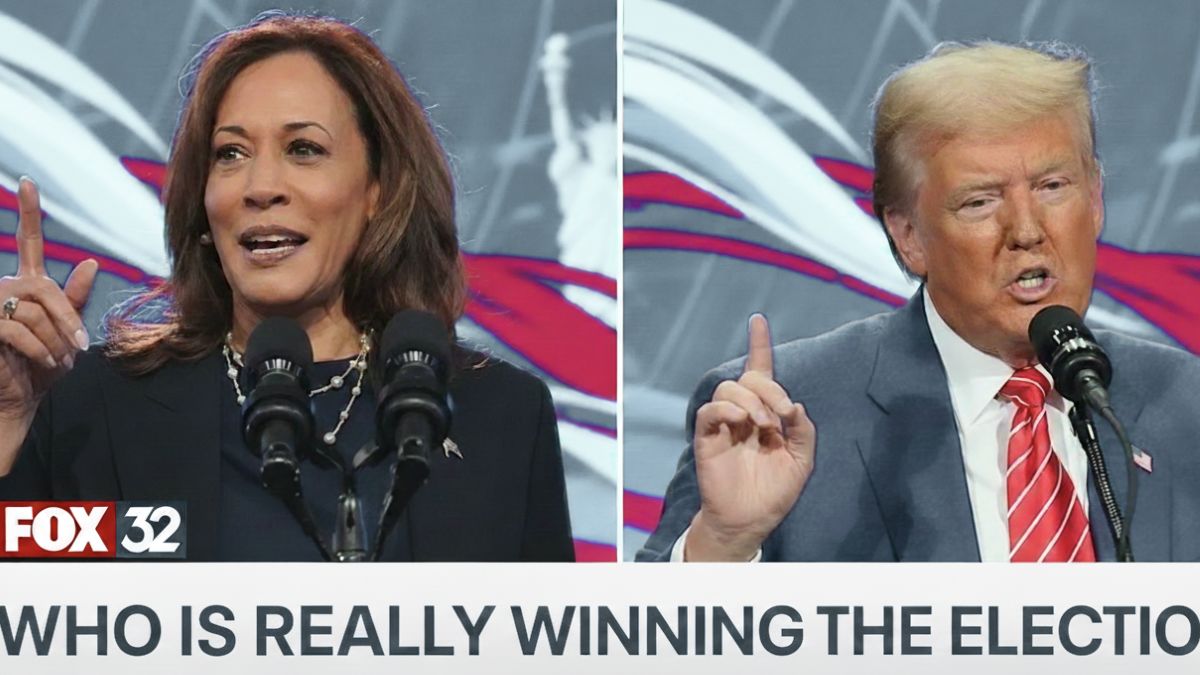
Understanding who is winning the election has become one of the most searched political questions during every voting season. People want reliable information, long explanations, and simple guidance that helps them understand the shifting mood of voters, the trends in early polling, and the factors that change the direction of an election. Because election news updates constantly, many want a single detailed place to understand the data, the atmosphere, and the reasons behind a candidate’s rise or fall. This article explains how to evaluate who is winning the election by examining polls, voter behaviour, turnout patterns, campaign strategies, and real-time election factors. It also highlights how Google updates influence election-related content so readers stay informed accurately and safely.
Understanding What Who Is Winning the Election Really Means
When people ask who is winning the election, they are often referring to polling numbers, public sentiment, and early projections. However, being ahead in the polls does not always translate into winning the final vote count. Poll results can shift within hours as new issues arise, debates occur, or unexpected events change public opinion. Voters also react differently depending on demographics, region, and economic conditions, making every election cycle unique.
Because of this, the phrase who is winning the election needs more than a simple one-line answer. It requires understanding multiple layers: polling data, voter turnout, ground campaigns, media influence, and last-minute changes that commonly happen in close races. Elections are not just about numbers; they are about momentum, trust, and the mood of the public.
The Importance of Polling Trends in Predicting Who Is Winning the Election
Polling trends are the first place most analysts look when trying to determine who is winning the election. Daily and weekly polls provide snapshots of voter preferences, helping experts identify patterns. These patterns show which candidate is gaining support, which one is losing ground, and which issues matter most to voters.
However, polls alone cannot confirm who is winning the election. Their accuracy depends on sample size, the timing of the poll, and how questions are phrased. Election cycles with high tension or strong emotional issues often create sudden shifts that polls fail to capture in real time. That is why analysts compare multiple polls instead of relying on a single one.
Consistent trends matter more than isolated poll results. If a candidate maintains support across several regions for weeks, this provides a stronger signal of who is winning the election than one temporary spike.
How Voter Turnout Shapes Who Is Winning the Election
Voter turnout plays a major role in determining who is winning the election. Even if polls show a strong lead, the final results depend on how many supporters actually show up on election day. In some areas, youth voters shift the results. In others, older voters dominate turnout and change the direction of the race.
Turnout often rises or falls depending on the level of public excitement, economic issues, and community discussions. A motivated group of voters can overturn polling predictions, reshaping who is winning the election within hours. Early voting, mail-in ballots, and same-day registrations also influence the final outcome.
Understanding turnout helps predict the true direction of the results beyond what polls report.
Campaign Strategies and Their Impact on Who Is Winning the Election
The success of a campaign strategy often becomes a deciding factor in who is winning the election. Campaigns that focus on clear messaging, strong ground teams, and community engagement usually gain momentum faster. Candidates who connect emotionally with voters, address local needs, and hold active events create a larger influence on undecided voters.
Digital campaigns have also become extremely powerful. Social media outreach, targeted advertising, and online discussions shape public perception. A strong digital presence often boosts interest and creates the impression of who is winning the election before the final results even arrive.
Campaigns that fail to respond to criticism or changing political climates often lose their advantage early.
The Role of Debates in Shifting Who Is Winning the Election
Debates are turning points in most elections. They provide an opportunity for voters to judge candidates side by side, listen to their plans, and evaluate their confidence. Strong debate performances often create sudden increases in support, helping analysts identify who is winning the election at that moment.
However, debate reactions also depend on media commentary, public discussions, and social media trends. A candidate may perform well, but public impressions vary depending on viewers’ expectations. Because debates reach millions of people at once, they remain one of the biggest influencers in election outcomes.
Media Influence and Public Sentiment Behind Who Is Winning the Election
Media plays a powerful part in shaping public perception of who is winning the election. News coverage, interviews, analysis programs, and expert commentary all contribute to how voters interpret ongoing political events. A candidate portrayed as strong and confident often gains more attention and support.
Public sentiment, shaped through discussions at home, online, and in communities, is equally important. Elections reflect public feelings toward leadership, national issues, economy, and stability. When these emotions shift, so does the perception of who is winning the election.
Why Who Is Winning the Election Changes Daily
Election environments are unpredictable, and opinions change fast. New economic reports, unexpected incidents, international developments, or viral social media posts can change a candidate’s public image. Because of this, the question of who is winning the election is fluid, not fixed.
Daily updates help track which candidate is gaining or losing influence. Early voting results, on-ground reports, and community feedback also contribute to these shifts. Because the landscape changes constantly, many turn to reliable news sources and search engines for quick political updates.
Google Search Trends and How They Reveal Who Is Winning the Election
Search patterns can also indicate who is winning the election. When people search more often for a candidate, it signals growing curiosity or interest. Although search volume does not prove someone is ahead, it shows important behavioural patterns.
For example, increased searches for economic plans, candidate speeches, or voting procedures suggest growing involvement. Google Trends often highlights which states or regions are experiencing heightened political interest. This indirectly helps analysts understand who is winning the election based on digital activity.
How Google Updates Affect Election-Related Content
Google strongly monitors political content to ensure accuracy, transparency, and user safety. Recent Google updates focus on trustworthy information, preventing misinformation, and ranking reliable content higher. This means articles that discuss who is winning the election must be factual, balanced, and informative.
Google rewards:
- Clear explanations
- Verified information
- Natural writing style
- Educational value
- Helpful, user-focused content
To achieve good ranking for political topics, articles must remain neutral, well-structured, and transparent. Google update alerts encourage bloggers to focus on clarity rather than speculation. This is why updated, detailed content remains important for anyone searching who is winning the election.
Conclusion
The question of who is winning the election cannot be answered with a single number or headline. It depends on polling trends, turnout levels, debate performances, campaign strategies, and public sentiment. As elections progress, daily developments continuously reshape the political map. By understanding the factors that influence voter behaviour, readers gain a clearer view of how election outcomes form. Staying informed with reliable updates helps bring clarity to a constantly changing environment.
FAQs
1. How do analysts determine who is winning the election?
Analysts study polls, turnout patterns, and long-term trends to understand which candidate has the strongest position at a given time.
2. Why does who is winning the election change so often?
Public opinion shifts quickly based on events, debates, or new information, making election trends unpredictable.
3. Can polls accurately show who is winning the election?
Polls help, but they are not always perfect. They provide estimates, not guaranteed results.
4. How does media coverage affect who is winning the election?
Media influences public sentiment, shaping how voters view candidates and their chances.
5. Does Google ranking impact political content?
Yes, Google updates reward accurate, clear, and reliable information, which helps readers find trustworthy election coverage.