In recent years, the uganda gold discovery has captured global attention, positioning the East African nation as a potential powerhouse in the mineral sector. Reports of vast gold reserves have sparked conversations among investors, policymakers, and economic analysts alike. Beyond the headlines, this discovery represents more than buried treasure; it signals economic transformation, industrial growth, and geopolitical interest. Understanding the scale, credibility, and implications of this development is essential for anyone following Africa’s mining future.
Historical Background of Gold Mining in Uganda
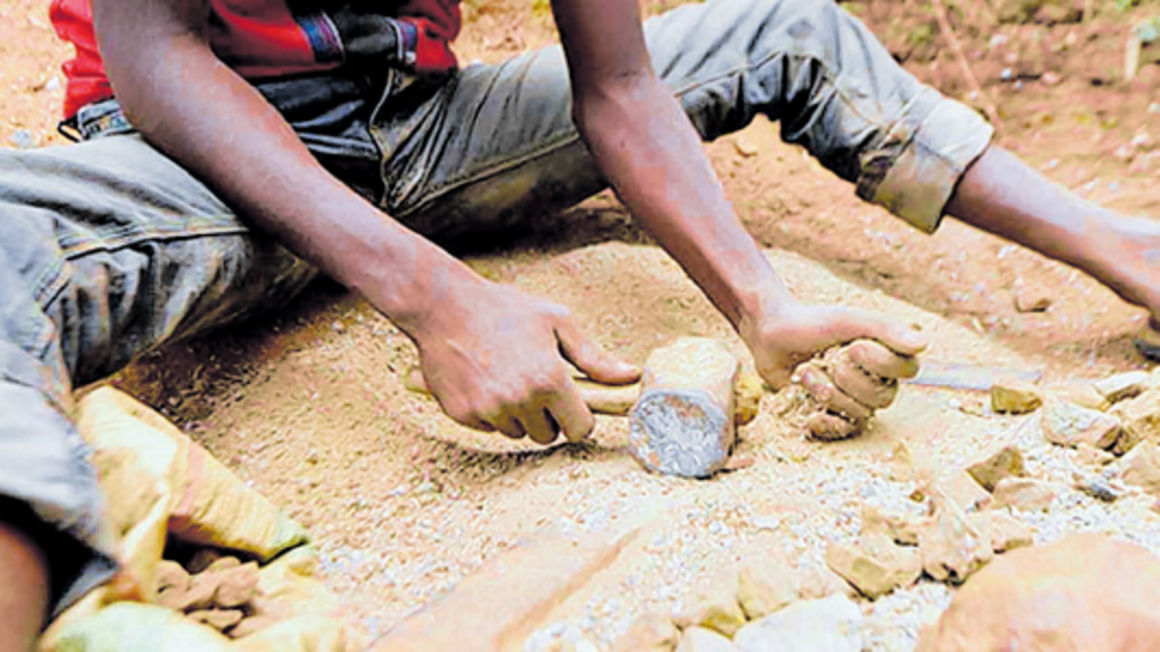
Gold mining in Uganda is not entirely new. Artisanal and small-scale mining has existed for decades, particularly in rural communities where locals relied on traditional extraction methods. However, these operations remained largely informal and under-documented. The modern uganda gold discovery emerged after nationwide geological surveys were conducted to map mineral wealth more scientifically. These surveys revealed deposits far larger than previously estimated, shifting Uganda’s status from a minor producer to a country with world-class mineral potential.
Key Locations of the Discovery
Several regions have been identified as gold-rich zones, each contributing to the broader uganda gold discovery narrative.
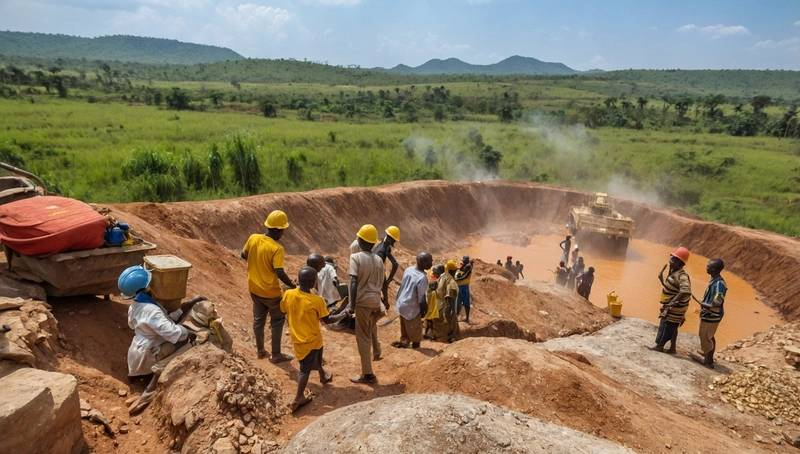
Eastern Uganda hosts some of the most active mining belts, especially around Busia District, where both artisanal miners and large investors operate. Northern deposits stretch into the mineral-rich Karamoja sub-region, long known for diverse underground resources. Additional deposits have been identified in western and central districts, creating a geographically widespread resource base.
This distribution reduces overreliance on a single mining zone and opens multiple corridors for industrial development, infrastructure expansion, and regional employment.
Estimated Gold Reserves and Resource Scale
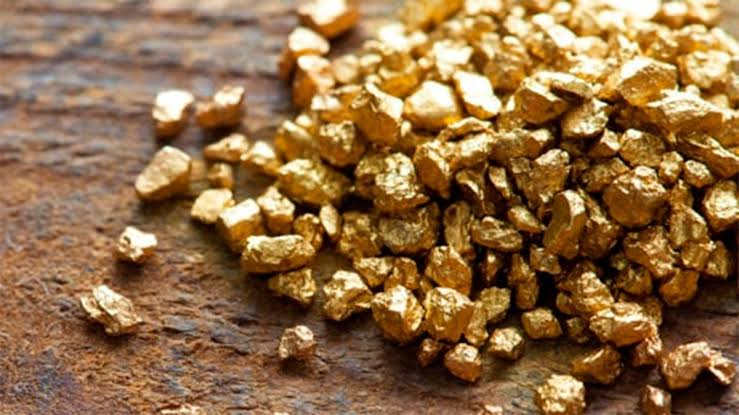
One of the most discussed elements of the uganda gold discovery is the scale of estimated reserves. Government survey data suggested the presence of tens of millions of metric tonnes of gold ore. From this ore, projections indicated the possibility of extracting hundreds of thousands of tonnes of refined gold, depending on processing technology and economic feasibility.
It is important to distinguish between ore and refined gold. Ore represents raw rock containing trace gold, while refined output depends on grade concentration, extraction efficiency, and investment capacity. While some analysts urge caution regarding early valuation figures, even conservative estimates place Uganda among Africa’s notable gold reserve holders.
Major Mining Projects and Corporate Involvement
Industrial mining has accelerated following the uganda gold discovery, attracting multinational investors and large-scale operators. A flagship example is the involvement of Wagagai Mining Company, which operates licensed projects and has invested heavily in refining infrastructure.
Such companies bring advanced machinery, processing plants, and technical expertise that artisanal miners lack. Their presence is expected to formalize production, increase export quality, and boost government royalty collections. At the same time, partnerships between the state and private investors aim to ensure national benefit from resource extraction.
Economic Impact and National Revenue Potential
The uganda gold discovery holds transformative economic implications. Gold has rapidly risen to become one of the country’s leading export earners, competing with traditional sectors like coffee and agriculture.
Projected benefits include:
Job creation across mining, logistics, and refining
Foreign direct investment inflows
Infrastructure development in remote regions
Growth of auxiliary industries such as transport and equipment supply
If managed effectively, gold revenues could strengthen national reserves, stabilize currency performance, and finance public development projects including roads, energy, and healthcare systems.
Gold Exports and Regional Trade Dynamics
Uganda’s role in Africa’s gold trade has expanded significantly alongside the uganda gold discovery. The country has evolved into a refining and transit hub, processing not only domestic gold but also imports from neighboring producers.
Notably, gold flows into Uganda from the Democratic Republic of the Congo and South Sudan before being refined and re-exported to global markets. This regional integration has amplified export volumes and elevated Uganda’s position in international bullion supply chains.
As refining capacity grows, Uganda could solidify its status as a continental processing center, capturing more value before export rather than shipping raw minerals abroad.
Government Policy and Regulatory Framework
Following the uganda gold discovery, policymakers introduced reforms to regulate extraction and maximize national gain. Updated mining laws now emphasize licensing transparency, environmental safeguards, and state participation in large projects.
The government has also promoted domestic refining to reduce reliance on foreign processors. By encouraging in-country value addition, authorities aim to increase export revenues and develop technical expertise within the national workforce.
Such regulatory evolution reflects a broader strategy: transform mineral wealth into sustainable economic capital rather than short-term extraction profits.
Environmental and Social Challenges
Despite its promise, the uganda gold discovery presents environmental and governance concerns. Artisanal mining, still widespread in rural zones, often uses mercury and other hazardous chemicals that contaminate water sources and farmland.
Land degradation, deforestation, and unsafe mining pits pose risks to both ecosystems and local communities. Additionally, informal gold trade networks have historically enabled smuggling and revenue leakage.
Addressing these issues requires stronger monitoring, miner education programs, and incentives to transition small-scale operators into regulated frameworks.
Infrastructure and Technology Requirements
Unlocking the full value of the uganda gold discovery depends heavily on infrastructure readiness. Mining zones require reliable roads, electricity, water systems, and processing plants to operate efficiently.
Technology also plays a decisive role. Modern geological mapping, automated drilling, and advanced refining methods increase recovery rates and reduce environmental damage. Investment in these systems will determine whether Uganda’s reserves translate into long-term prosperity or remain underutilized potential.
Future Outlook of Uganda’s Gold Industry
Looking ahead, the uganda gold discovery could redefine the country’s economic trajectory over the next several decades. Exploration is ongoing, and additional deposits may still emerge as surveys expand.
Future growth will likely hinge on three pillars:
Responsible resource governance
Strategic foreign partnerships
Sustainable environmental practices
If these elements align, Uganda could join the ranks of Africa’s top gold producers while maintaining ecological balance and equitable wealth distribution.
Conclusion
The uganda gold discovery stands as one of the most significant mineral announcements in Africa’s recent history. From vast ore reserves and rising exports to foreign investment and infrastructure growth, the implications are far-reaching. Yet the true measure of success will not rest solely on how much gold lies underground, but on how effectively the nation manages, refines, and reinvests this wealth.
With sound policy, modern technology, and transparent governance, Uganda has an opportunity to convert mineral abundance into lasting national prosperity.
FAQs
How much gold was found in Uganda?
Surveys estimated tens of millions of tonnes of gold ore, with potential for large refined output depending on extraction feasibility.
Where are the main gold deposits located?
Major deposits are found in eastern, northern, and western regions, particularly around Busia and Karamoja.
Is Uganda now a major gold producer?
Production is growing, but large-scale output depends on mining investment and infrastructure expansion.
Does Uganda export gold internationally?
Yes, Uganda exports refined gold globally and also processes gold from neighboring countries.
What challenges affect the gold sector?
Environmental risks, illegal mining, and infrastructure gaps remain key challenges requiring regulation and investment.