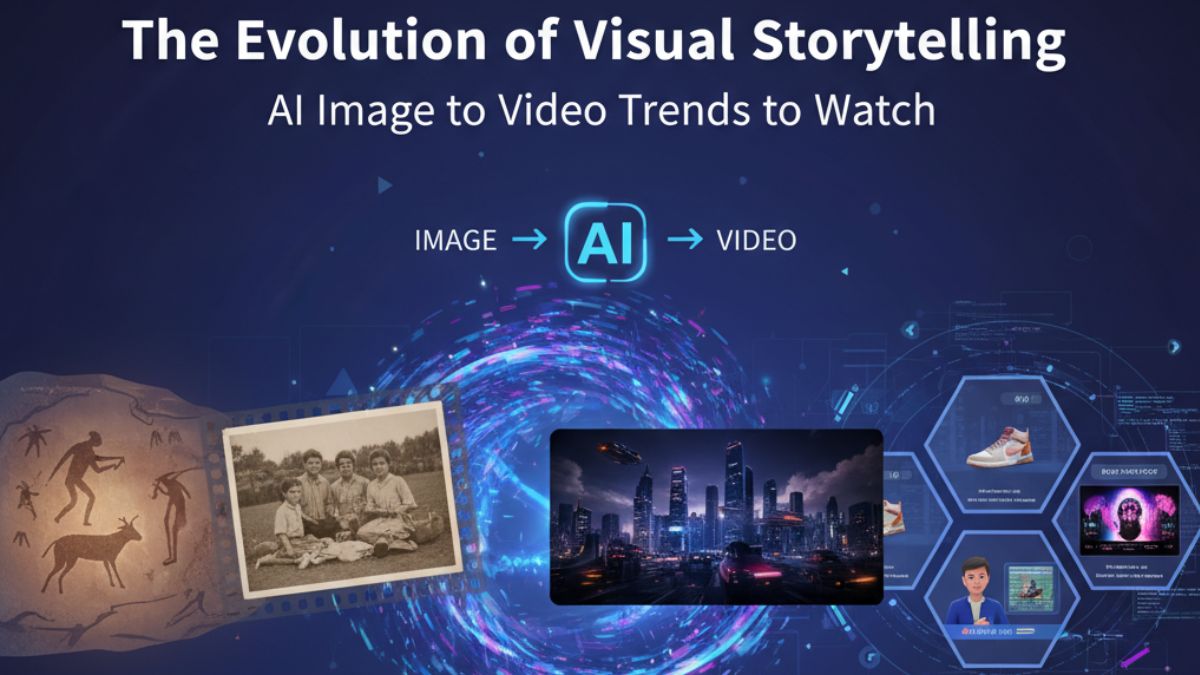
Storytelling has always been at the heart of human connection—but how we tell stories continues to evolve with technology. From cave paintings to film, each era has found new ways to bring imagination to life. Today, we’re entering a new chapter: the rise of AI-powered visual storytelling. At the center of this transformation is the ability to turn static images into captivating videos using AI image to video technology.
This breakthrough is reshaping how individuals, creators, and brands express ideas, emotions, and experiences—without the need for expensive equipment or professional editing skills.
The Rise of AI Image to Video Technology
The concept of turning photos into motion isn’t entirely new, but what makes the modern ai image to video revolution unique is automation and creativity powered by artificial intelligence.
With these tools, users can upload still images and instantly generate professional-quality videos with animations, transitions, and effects. AI analyzes the visual elements, detects subjects, and crafts dynamic camera movements that make the video look like it was shot by a cinematographer.
From travel memories and business promos to social media reels, this technology enables anyone to become a storyteller in minutes. It bridges the gap between creativity and accessibility—democratizing video creation for everyone.
Why AI Video Generators Are the Future of Content Creation
Complementing this trend are ai video generator tools, which take automation even further. These platforms can create full videos from text prompts, images, or scripts. They integrate avatars, music, and visuals automatically, saving creators hours of manual editing.
Businesses and influencers are rapidly adopting these tools for:
- Product showcases and marketing campaigns
- Explainer videos and presentations
- Educational or motivational clips
- Social media storytelling
Together, AI image to video and AI video generator tools are transforming how content is conceptualized, produced, and shared—making storytelling faster, smarter, and more immersive.
5 Best AI Image to Video Tools in 2025
Below are five standout tools redefining visual storytelling, with Invideo taking the top spot for its versatility and innovation.
1. Invideo
Overview:
Invideo leads the way in simplifying video creation with its intelligent ai image to video capabilities. It allows you to turn photos into engaging videos effortlessly while adding music, text, and effects—all powered by AI.
Key Features:
- Converts static images into high-quality, motion-enhanced videos.
- Offers AI-powered scene creation.
- Integrates seamlessly with voiceovers and auto-captions.
- Allows customization of music, style, and pacing.
Use Case:
Perfect for creators, brands, and educators who want to transform product images, travel memories, or event photos into engaging video stories.
Why It Stands Out:
Unlike many tools that just animate photos, invideo offers a complete storytelling experience—combining AI video generator capabilities with design tools for text overlays, transitions, and branding. It’s ideal for businesses and individuals who want professional-looking videos without technical complexity.
2. Pictory
Overview:
Pictory uses AI to turn visuals and scripts into compelling short-form videos. It identifies key visuals and transforms them into storytelling sequences.
Key Features:
- Converts visuals into dynamic scenes automatically.
- AI-based voiceover and subtitle generation.
- Customizable templates for social media.
Use Case:
Best suited for marketers and YouTubers creating highlight videos or promo content.
Why It Stands Out:
Pictory’s AI-assisted editing makes it simple to turn existing visuals into videos that drive engagement.
3. Runway ML
Overview:
Runway ML offers advanced generative AI tools for creators. Its image-to-video feature transforms static images into realistic motion visuals.
Key Features:
- Motion prediction from still images.
- Creative video styles and cinematic effects.
- Integration with generative AI for creative workflows.
Use Case:
Great for artists, designers, and filmmakers looking to bring AI-driven creativity into their storytelling.
Why It Stands Out:
Runway ML combines artistic freedom with professional-level results, appealing to creative professionals pushing visual boundaries.
4. Kaiber
Overview:
Kaiber uses AI to animate images into visually stunning short videos. Its simplicity and artistic approach make it ideal for musicians, digital artists, and creators.
Key Features:
- AI-driven image animation.
- Custom motion control and visual styles.
- Quick export for social platforms.
Use Case:
Ideal for creators producing music videos, album visuals, or animated clips.
Why It Stands Out:
Kaiber focuses on creativity and style, giving users control over artistic direction while maintaining automation.
5. Synthesia
Overview:
Synthesia specializes in generating AI-powered videos with avatars, but it also allows users to transform images and scripts into video content.
Key Features:
- AI avatars and voiceovers.
- Add images and scenes dynamically.
- Cloud-based video generation.
Use Case:
Perfect for corporate training, educational, or explainer videos.
Why It Stands Out:
Its integration of avatars and visuals creates a polished, professional presentation without requiring cameras or actors.
Emerging Trends in AI Image to Video
As AI technology advances, new possibilities are reshaping how we experience video storytelling. Here are a few key trends to watch:
1. Hyper-Realistic Motion Effects
AI is learning to mimic real camera movements, depth, and lighting—making videos generated from still photos almost indistinguishable from real footage.
2. Text-to-Image-to-Video Pipelines
Next-gen tools can generate images from text prompts and instantly turn them into videos, allowing creators to go from idea to final output in minutes.
3. 3D and Immersive Storytelling
AI-driven 3D video generation will soon allow fully immersive content experiences—ideal for marketing, gaming, and virtual reality.
4. Voice and Avatar Integration
Combining AI image to video with avatars and voice synthesis brings characters and stories to life without human actors.
5. Personalized Video Experiences
AI can now tailor videos based on viewer preferences, making personalized storytelling a new standard in marketing and communication.
How Creators and Businesses Can Benefit
AI-driven visual storytelling is not just about efficiency—it’s about creativity at scale. For creators, it removes technical barriers; for businesses, it enhances brand storytelling with minimal effort.
Benefits include:
- Faster production timelines
- Cost-effective video creation
- Consistent branding across platforms
- Greater engagement through visual storytelling
By using tools like invideo, brands can maintain a strong presence across YouTube, Instagram, and websites while staying authentic and creative.
The Future of Visual Storytelling
The future of storytelling lies in human creativity amplified by AI. The evolution of ai image to video tools signifies a new age where imagination, automation, and technology merge seamlessly. Whether it’s a small business creating marketing content or an artist experimenting with motion visuals, AI is empowering everyone to tell stories that captivate and connect.
As ai video generator platforms continue to evolve, they’ll unlock new levels of realism, personalization, and creativity—transforming how we communicate and share stories in the digital age.
Conclusion
From simple image animations to full-scale video generation, the journey of AI image to video technology marks a major shift in visual storytelling. Tools like invideo lead this transformation, helping creators and brands turn still moments into moving stories that inspire audiences worldwide.
AI isn’t replacing storytellers—it’s enhancing their vision. The next generation of storytelling is already here, and it’s more dynamic, accessible, and imaginative than ever before.