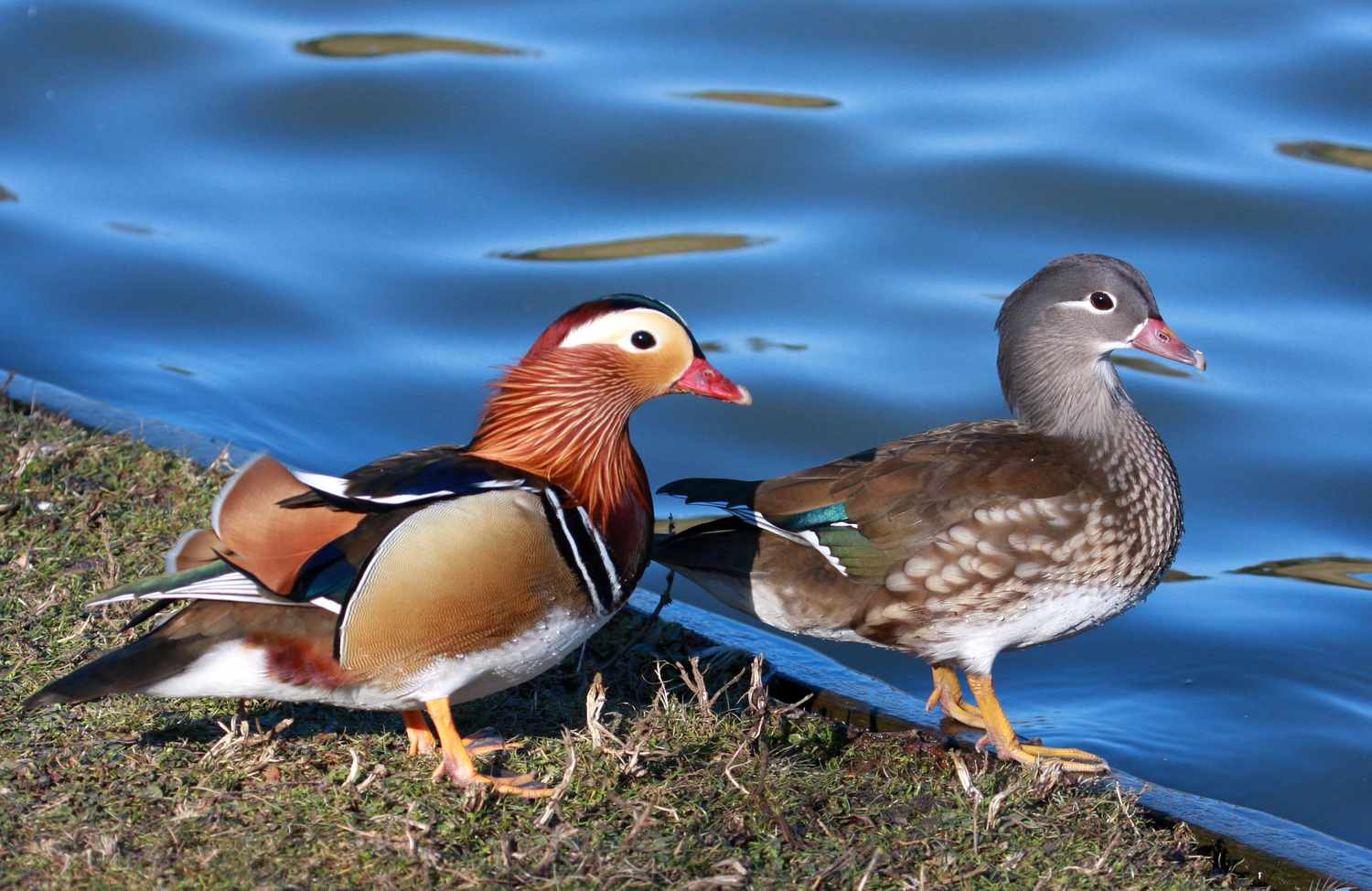
Sexual dimorphism is one of the most fascinating concepts in biology, reflecting the diverse ways males and females differ beyond their reproductive organs. From the dazzling plumage of male birds to the striking size differences in mammals, sexual dimorphism reveals how evolution shapes organisms to thrive in their environments. Understanding these differences provides insight into evolutionary pressures, mating strategies, and even human biology.
This article will explore the meaning, types, causes, and examples of sexual dimorphism across species, including humans. It will also highlight the significance of these differences and address common questions about the subject.
What Is Sexual Dimorphism?
Sexual dimorphism refers to the systematic differences between males and females of the same species that go beyond primary sexual characteristics. While primary sexual traits involve reproductive organs, sexual dimorphism encompasses size, color, morphology, behavior, and physiological traits that distinguish the sexes.
The term originates from Greek roots meaning “two forms,” highlighting the observable variation between males and females. These differences often result from evolutionary pressures such as sexual selection, where certain traits increase mating success, or natural selection, where differences improve survival and reproductive efficiency.
Sexual dimorphism is a universal phenomenon, present in almost all animal groups, and it can be subtle, as in humans, or extreme, as in some bird and insect species.
Types of Sexual Dimorphism
Sexual dimorphism can manifest in various forms, each serving specific evolutionary purposes:
Size Differences
One of the most common types of sexual dimorphism is a difference in body size, often referred to as sexual size dimorphism. In many mammals, males are larger than females, providing advantages in competition for mates. Conversely, in some species like certain spiders or deep-sea fish, females are larger, which can aid in reproduction by allowing them to carry more eggs.
Coloration and Ornamentation
Many species exhibit differences in coloration between males and females. Bright colors, elaborate feathers, or patterns often appear in males to attract mates or intimidate rivals. For example, male peacocks are known for their vibrant tail feathers, whereas females have muted colors that provide camouflage during nesting.
Behavioral Differences
Sexual dimorphism also extends to behavior. Male songbirds often sing to defend territory or attract females, while female songbirds rarely perform the same behavior. Similarly, in some mammals, males may display dominance behaviors to establish hierarchy and access to mates.
Physiological and Hormonal Differences
Hormonal differences play a significant role in sexual dimorphism. Testosterone, estrogen, and other sex hormones influence traits such as muscle development, fat distribution, and secondary sexual characteristics. These physiological differences can affect growth rates, metabolism, and overall morphology between sexes.
Sexual Dimorphism in Animals
Animals provide some of the most striking examples of sexual dimorphism:
- Birds: In many bird species, males have colorful plumage and elaborate mating displays, while females remain camouflaged to protect themselves and their offspring.
- Mammals: In species like lions, males possess manes and larger body size to assert dominance, while females focus on nurturing young. Similarly, male elephant seals are much larger than females, reflecting intense competition for mates.
- Fish and Insects: Some species display extreme sexual dimorphism. Deep-sea anglerfish, for example, exhibit massive size differences where males fuse to females for reproduction. In certain spiders, females are far larger than males, aiding reproductive success.
Sexual dimorphism often reflects evolutionary pressures. Traits that improve mating opportunities or survival often become more pronounced over generations, leading to observable differences between males and females.
Sexual Dimorphism in Humans
Humans also display sexual dimorphism, though it is relatively moderate compared to many other species.
- Physical Differences: On average, males are taller and heavier, with greater muscle mass, while females have higher body fat percentages necessary for reproductive and hormonal functions. Skeletal structures differ, including pelvic shape, which facilitates childbirth in females.
- Behavioral Differences: While overlapping exists, some research suggests males may show higher physical aggression, while females often exhibit stronger social bonding behaviors. Hormonal influences play a role in these tendencies.
- Developmental Patterns: Sexual dimorphism in humans becomes more pronounced during puberty. Differences in height, body composition, and voice pitch emerge due to hormonal changes driven by testosterone and estrogen.
Studying sexual dimorphism in humans helps in understanding growth patterns, health differences, and the physiological basis for certain behavioral traits.
Causes of Sexual Dimorphism
Several factors contribute to sexual dimorphism:
Evolutionary Pressures
Traits that enhance reproductive success are often amplified in one sex. Male-male competition and female mate choice can lead to larger body sizes, bright colors, or elaborate ornaments in males.
Sexual Selection vs Natural Selection
Sexual selection favors traits that increase mating success, while natural selection favors traits that improve survival. Sometimes these pressures align, but in other cases, a trait beneficial for reproduction may not enhance survival, creating interesting evolutionary trade-offs.
Genetics and Environmental Factors
Genes and chromosomes influence development, but environmental factors like nutrition, temperature, and habitat can also affect sexual dimorphism. In some populations, males or females may grow differently depending on resource availability or ecological pressures.
Significance and Applications
Understanding sexual dimorphism has broad applications:
- Ecology and Evolution: Studying dimorphism reveals mating systems, reproductive strategies, and species interactions.
- Conservation: Knowledge of sexual dimorphism aids in species management and breeding programs, ensuring that both male and female traits are maintained.
- Human Health: Recognizing differences in male and female physiology informs medical research, nutrition, and personalized healthcare strategies.
Sexual dimorphism also provides insight into behavioral ecology, social structures, and adaptive strategies across species.
Challenges and Variations
Not all species exhibit obvious sexual dimorphism. Some are sexually monomorphic, where males and females appear nearly identical. In other species, dimorphism may be reversed, with females displaying traits typically associated with males, such as larger size.
Variability can also exist within populations due to environmental pressures, predation risks, or availability of resources. These variations illustrate that sexual dimorphism is a dynamic trait shaped by both evolution and ecological conditions.
Conclusion
Sexual dimorphism is a captivating aspect of biology, illustrating how evolutionary and ecological pressures shape differences between males and females. From size, coloration, and behavior to physiological traits, these differences enhance reproductive success and survival.
Understanding sexual dimorphism not only enriches our knowledge of the natural world but also has practical implications in conservation, human health, and scientific research. By studying these differences, we gain insight into the remarkable diversity of life and the forces that drive evolution.
Frequently Asked Questions
1. What is sexual dimorphism?
Sexual dimorphism is the difference in appearance, size, or behavior between males and females of the same species, beyond their reproductive organs.
2. Why do animals show sexual dimorphism?
It often arises from evolutionary pressures such as sexual selection, helping one sex improve mating success or survival.
3. Are humans sexually dimorphic?
Yes, humans show moderate sexual dimorphism, including differences in height, body composition, skeletal structure, and hormones.
4. Can sexual dimorphism be reversed?
In some species, females may be larger or more colorful than males, depending on ecological and reproductive needs.
5. How is sexual dimorphism useful in research?
Studying sexual dimorphism helps understand evolution, ecology, reproductive strategies, and even human health and development.