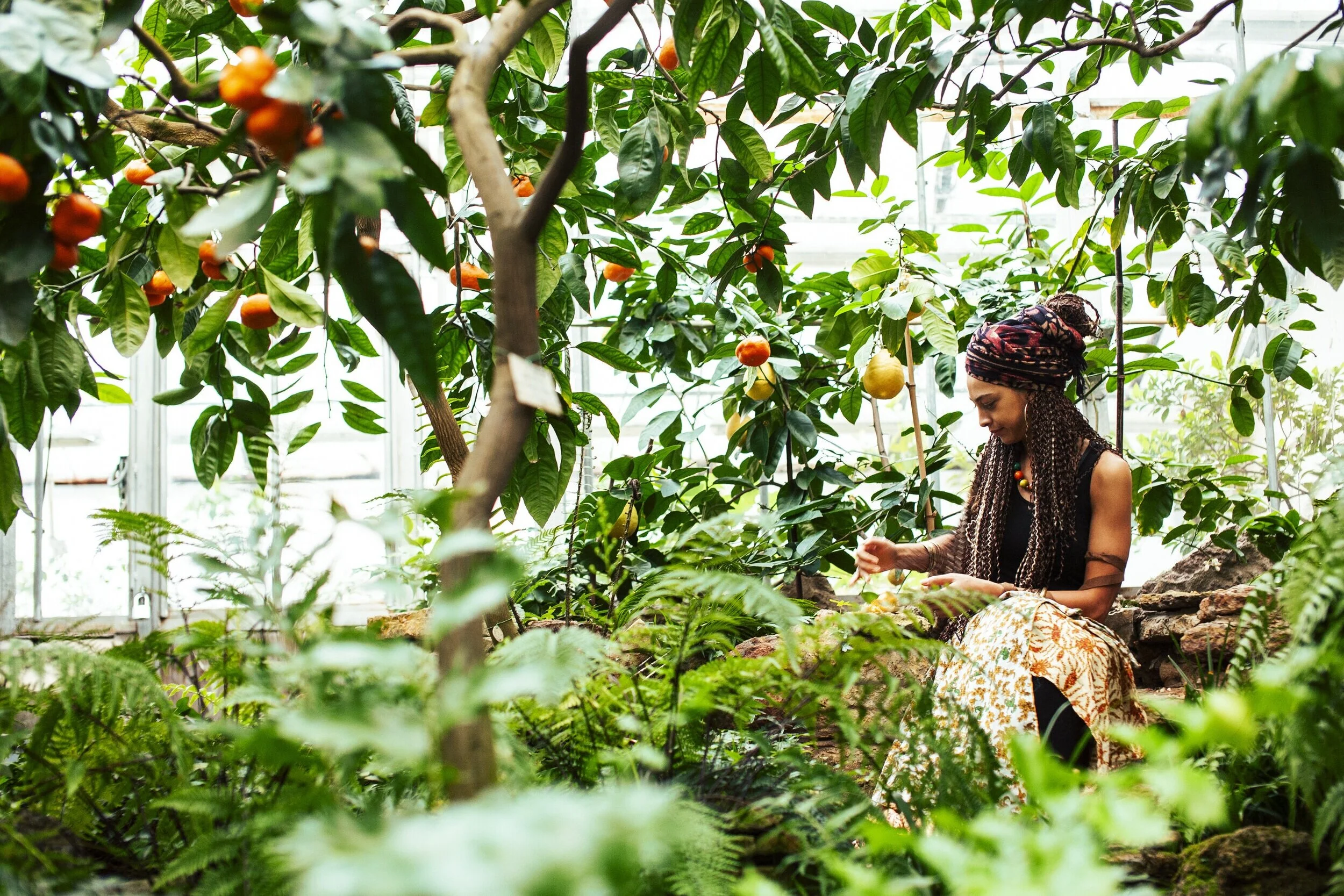
Living a natural life is no longer just a trend; it is becoming a necessity in today’s fast-paced and technology-driven world. Embracing a natural lifestyle means reconnecting with nature, adopting sustainable habits, and prioritizing health and well-being in every aspect of life. In this guide, we will explore what natural life truly means, its benefits, how to incorporate it into daily routines, and why it is essential for both humans and the planet.
Understanding Natural Life
Natural life is a lifestyle that emphasizes harmony with the environment and personal well-being. It involves making conscious choices that reduce artificial and processed influences in daily life. From the food we eat to the products we use and the environment we live in, natural life encourages simplicity, balance, and sustainability.
Living a natural life is not just about diet or fitness; it extends to emotional and mental well-being. Spending time outdoors, embracing mindfulness, and fostering a deeper connection with nature are essential elements. The philosophy behind natural life is rooted in the belief that humans are inherently connected to the earth and its ecosystems. By respecting natural cycles and resources, we can live healthier, more fulfilling lives.
Benefits of Natural Life for Health and Well-being
Adopting a natural life provides numerous physical, mental, and emotional benefits. Research has consistently shown that incorporating natural elements into daily living improves overall health.
Physical Health Benefits
Eating fresh, unprocessed foods, exercising outdoors, and avoiding harmful chemicals contribute to a stronger immune system and better overall health. A natural life encourages plant-based diets, regular physical activity, and reduced exposure to synthetic chemicals. These habits lower the risk of chronic diseases such as diabetes, heart problems, and obesity.
Mental and Emotional Well-being
Spending time in nature can significantly reduce stress and anxiety. Exposure to greenery, sunlight, and fresh air helps balance hormones, improve mood, and enhance cognitive function. Living a natural life also fosters mindfulness, allowing individuals to be present and enjoy life more fully. Nature therapy, forest walks, or even home gardening can have therapeutic effects, promoting relaxation and emotional stability.
Improved Sleep Patterns
A natural life encourages living in sync with natural light and daily rhythms, which positively impacts sleep quality. Exposure to natural daylight during the day and reducing artificial light in the evening helps regulate circadian rhythms, making sleep more restorative and improving energy levels.
Sustainable Living and Environmental Benefits
Natural life is deeply intertwined with environmental responsibility. By reducing reliance on processed products, minimizing waste, and conserving resources, individuals contribute to a healthier planet. Simple changes such as using biodegradable products, avoiding single-use plastics, and supporting eco-friendly brands reflect the environmental aspect of natural life.
Adopting sustainable practices not only benefits the environment but also supports long-term human survival. Healthy ecosystems provide essential services such as clean air, water, fertile soil, and biodiversity. By embracing a natural life, we play a vital role in preserving these resources for future generations.
How to Incorporate Natural Life into Daily Routines
Transitioning to a natural life may seem challenging at first, but small, consistent changes can have a significant impact. Here are practical ways to embrace this lifestyle:
1. Natural Diet Choices
Prioritize whole, unprocessed foods such as fruits, vegetables, grains, nuts, and seeds. Avoid packaged and heavily processed products that contain artificial additives. Eating local and seasonal produce supports both personal health and environmental sustainability.
2. Mindful Living
Practice mindfulness in daily activities, such as eating, walking, or even working. Being present in every moment reduces stress, improves focus, and enhances overall happiness. Meditation, deep breathing, or journaling are excellent tools for cultivating mindfulness in a natural life.
3. Reduce Chemical Exposure
Choose natural cleaning products, personal care items, and cosmetics. Avoid synthetic fragrances, harsh detergents, and unnecessary chemicals in your home. This protects not only your health but also reduces environmental pollution.
4. Connect with Nature
Spend time outdoors daily, whether through walking in parks, gardening, hiking, or simply observing natural surroundings. Connecting with nature strengthens emotional resilience, reduces anxiety, and improves overall mental health.
5. Sustainable Practices
Implement eco-friendly habits such as recycling, composting, conserving water, and reducing energy consumption. Supporting local, sustainable businesses aligns personal choices with global environmental benefits.
The Role of Natural Life in Modern Society
In today’s urbanized and technologically-driven world, adopting a natural life has become more important than ever. Urban living often disconnects individuals from nature, leading to increased stress, poor diet choices, and reduced physical activity. By consciously integrating natural life practices, individuals can restore balance, improve health, and foster a deeper connection with the environment.
Moreover, natural life promotes community awareness and social responsibility. Encouraging sustainable practices within neighborhoods, schools, and workplaces contributes to a collective effort for a healthier planet. This lifestyle is not only beneficial for individuals but also creates a positive ripple effect across society.
Challenges in Embracing Natural Life
While the benefits are clear, adopting a natural life comes with challenges. Modern conveniences, fast-paced lifestyles, and urbanization often make it difficult to maintain sustainable habits. Access to fresh, organic foods, natural spaces, and eco-friendly products may be limited in certain areas.
Additionally, misconceptions about natural life being time-consuming or expensive can deter individuals from embracing this lifestyle. Education, awareness, and gradual implementation of natural practices are essential to overcoming these obstacles.
The Future of Natural Life
As global awareness of health, sustainability, and environmental conservation grows, the concept of natural life is gaining momentum. More people are realizing the importance of living in harmony with nature, not just for personal well-being but also for the survival of the planet.
Innovations in sustainable living, urban green spaces, and eco-conscious products make it easier to adopt natural life even in modern cities. Future trends indicate that natural life will continue to shape lifestyles, consumption patterns, and societal values, emphasizing the importance of health and environmental balance.
Conclusion
Embracing a natural life is more than a lifestyle choice; it is a commitment to personal well-being, sustainability, and harmony with nature. By adopting natural diets, mindful practices, eco-friendly habits, and meaningful connections with the environment, individuals can enjoy improved health, emotional stability, and a greater sense of fulfillment. Natural life encourages us to slow down, reconnect with the earth, and prioritize what truly matters — health, happiness, and sustainability.
By integrating these practices into daily life, we not only enhance our own lives but also contribute to a healthier, more sustainable planet. Choosing a natural life is a step toward a balanced, fulfilling, and environmentally responsible future.
Frequently Asked Questions (FAQs)
1. What is natural life?
Natural life is a lifestyle that emphasizes living in harmony with nature, focusing on health, sustainability, and simplicity in daily habits.
2. How does natural life benefit health?
It improves physical health, mental well-being, sleep quality, and reduces stress by incorporating natural diets, outdoor activities, and mindfulness practices.
3. Can anyone practice natural life in cities?
Yes, even urban residents can adopt natural life by eating whole foods, spending time in green spaces, using eco-friendly products, and practicing mindfulness.
4. Is natural life expensive to follow?
Not necessarily. Many natural life practices, such as walking outdoors, reducing chemical use, and mindful living, are cost-effective and simple to implement.
5. Why is natural life important for the environment?
Natural life promotes sustainable habits that conserve resources, reduce pollution, and support biodiversity, contributing to a healthier planet.