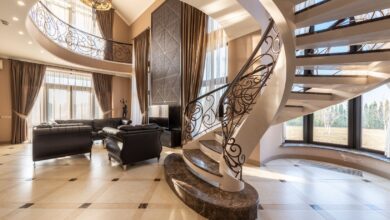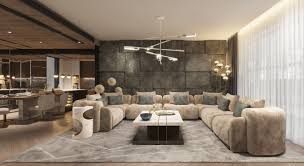
Interior design is constantly evolving, reflecting not only aesthetic preferences but also lifestyle changes and environmental considerations. As we move further into 2025, interior design trends are embracing a mix of sustainability, comfort, and personalized style. Homeowners and designers alike are seeking ways to make living spaces more functional, stylish, and reflective of individuality. This guide explores the most significant interior design trends that will dominate in 2025, offering inspiration for transforming your home with modern elegance and practicality.
Embracing Sustainability and Eco-Friendly Design
Sustainability has become a central focus in interior design, as homeowners become increasingly aware of environmental impact. The use of eco-friendly materials is now widespread, from reclaimed wood and bamboo to recycled metals and low-VOC paints. Designers are integrating these sustainable options not only for environmental responsibility but also for their aesthetic appeal.
Biophilic design, which emphasizes a connection with nature, is gaining momentum. Incorporating plants, green walls, and natural textures creates a calming atmosphere while improving indoor air quality. Living spaces are being designed to feel more organic, with large windows and open layouts that merge indoor and outdoor areas. This trend highlights the importance of sustainability and a balanced connection with nature in modern home design.
Color Trends: Earthy Tones and Warm Neutrals
Color palettes in 2025 are shifting towards earthy tones and warm neutrals. Soft shades of beige, taupe, and gray are paired with accent colors such as deep greens, rich blues, terracotta, and muted plums. These combinations provide warmth and depth without overwhelming the space.
Pastels are also making a subtle comeback, particularly when blended with creams, soft golds, and greens for a refined and elegant aesthetic. These palettes reflect a desire for homes that feel cozy and welcoming, allowing residents to create a personal and comforting environment. The careful use of color in furniture, walls, and décor elements can completely transform the ambiance of any room.
Texture and Tactile Surfaces
2025 interior design trends place a strong emphasis on texture. Homes are moving away from flat, uniform surfaces toward tactile materials that add dimension and visual interest. Stone, concrete, brick, and plaster finishes are being paired with soft textiles, such as velvet, wool, and linen, to create layered, inviting spaces.
Furniture with curved edges, sculptural shapes, and rounded forms is also trending. These soft forms not only enhance aesthetics but also make spaces feel more approachable and comfortable. Textured walls, layered rugs, and decorative fabrics help achieve a cozy, lived-in feel that balances minimalism with warmth.
Minimalism Reimagined: Cozy and Organic Spaces
Minimalism is evolving into a warmer, more inviting style. Known as cozy minimalism or organic minimalism, this approach emphasizes clean lines, functional spaces, and clutter-free environments while incorporating natural materials and soft textures. Neutral color palettes, layered fabrics, and wood finishes create calm, relaxing interiors that still feel modern and sophisticated.
Unlike traditional minimalism, which can feel stark or impersonal, cozy minimalism focuses on comfort and well-being. By combining simplicity with tactile elements, homeowners can enjoy a stylish space that is functional, serene, and human-centered.
Maximalism and Eclectic Styles
While minimalism continues to influence design, maximalism is also making a significant comeback. Eclectic interiors embrace bold colors, patterns, and textures, allowing homeowners to express their personality and creativity. Statement furniture, vintage pieces, and artistic décor bring uniqueness to each room, creating spaces that are visually dynamic and engaging.
Mixing different design periods, cultural influences, and materials can result in an interior that feels curated and personal. Maximalism encourages individuality, rejecting cookie-cutter design and inviting homeowners to celebrate their personal tastes through bold, intentional choices.
Smart, Multi-Functional, and Flexible Spaces
Modern living demands adaptable spaces. Multifunctional furniture and modular layouts are increasingly popular, particularly in urban homes with limited space. Sofa beds, modular shelving, foldable tables, and convertible rooms allow for greater flexibility without sacrificing style.
Technology integration is also shaping interior design. Smart lighting, climate control, and voice-activated home systems enhance convenience and energy efficiency. These innovations allow homeowners to enjoy comfort, functionality, and efficiency, aligning with lifestyle needs while maintaining aesthetic appeal.
Retro, Vintage, and Artisanal Décor
Nostalgia is influencing interior design, with retro and vintage elements becoming mainstream. Mid-century furniture, patterned fabrics, and classic color palettes are being incorporated alongside contemporary design. Artisanal and handcrafted décor items, such as ceramics, woven textiles, and custom furniture, bring authenticity and individuality to homes.
This trend emphasizes quality and craftsmanship, offering spaces that are unique and full of character. By blending vintage charm with modern functionality, homeowners can create spaces that are timeless and meaningful.
Indoor-Outdoor Integration
The connection between indoor and outdoor spaces continues to be a priority in modern design. Large windows, glass doors, and open-plan layouts help blur the boundary between interior and exterior. Outdoor-inspired elements like natural stone, wood, and water features are incorporated indoors, while patios and gardens are designed as extensions of living spaces.
This integration not only enhances aesthetic appeal but also promotes relaxation, natural light, and air circulation, creating healthier and more enjoyable environments.
Personalized Spaces and Lifestyle Adaptation
Interior design trends in 2025 focus on personal expression and lifestyle adaptability. Homes are no longer just functional spaces; they reflect personality, hobbies, and daily routines. From home offices and wellness corners to creative nooks and entertainment zones, spaces are being customized to meet the needs of modern living.
This approach ensures that interiors are practical, comfortable, and inspiring. Personalization, combined with style and functionality, allows homeowners to design spaces that truly feel like home.
Conclusion
The interior design trends of 2025 combine sustainability, comfort, and personal expression. From cozy minimalism and maximalist eclectic styles to eco-friendly materials, textured surfaces, and smart technology, these trends reflect evolving lifestyles and aesthetic preferences. Whether you are refreshing a single room or redesigning your entire home, these trends offer endless inspiration to create spaces that are stylish, functional, and uniquely yours.
By embracing these trends thoughtfully, homeowners can achieve interiors that are both timeless and contemporary, making every space in the home a reflection of individuality and modern living.
Frequently Asked Questions (FAQs)
1. What are the main interior design trends for 2025?
Key trends include sustainability, cozy minimalism, maximalism, textured surfaces, earthy colors, and smart, multifunctional spaces.
2. How can I incorporate eco-friendly design into my home?
Use reclaimed or recycled materials, low-VOC paints, indoor plants, and natural fabrics to create a sustainable and stylish environment.
3. What colors are trending in interior design this year?
Earthy tones, warm neutrals, deep greens, muted blues, terracotta, and soft pastels are popular choices for walls, furniture, and décor.
4. How can I make small spaces functional and stylish?
Invest in multifunctional furniture, modular layouts, smart storage solutions, and adaptable designs that maximize both space and style.
5. Is minimalism still popular in interior design?
Yes, but it has evolved into cozy minimalism, which combines simplicity with warmth, natural textures, and personalized touches.