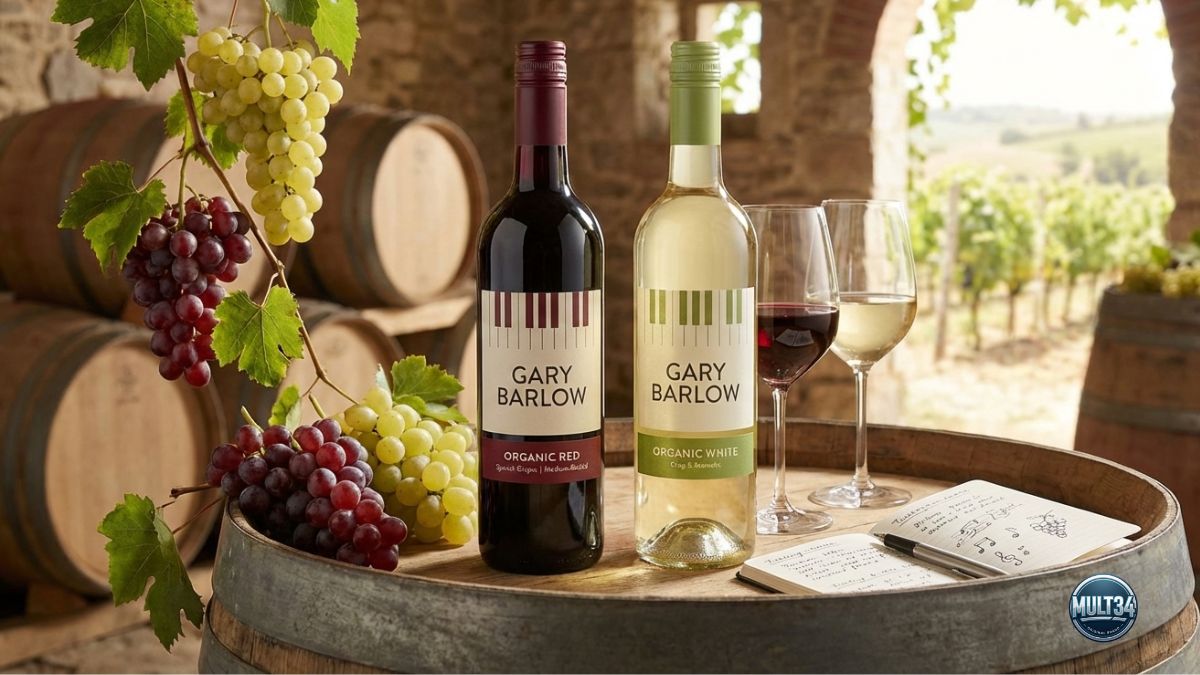
When celebrities step into the world of wine, curiosity naturally follows. Fans want to know whether the venture is a passing trend or a genuine passion project. In the case of gary barlow wine, the story runs deeper than a simple endorsement. It reflects personal taste, careful collaboration, and a desire to create something authentic beyond music.
This detailed guide explores the origins, production, wine styles, branding, and market appeal behind the label, offering readers a full picture of how this celebrity wine brand has developed its identity.
The Inspiration Behind the Wine Brand
Gary Barlow is widely recognised for his musical achievements, but his interest in wine developed quietly over many years. Touring internationally exposed him to vineyards, regional flavours, and the culture surrounding winemaking. Rather than lending his name to an existing product, he chose to be involved in the creation process.
The vision behind gary barlow wine was to craft an organic, approachable range that everyday wine drinkers could enjoy. He aimed for balance — wines that felt premium yet remained affordable and accessible.
This hands-on inspiration helped shape the brand’s authenticity, making it more than a celebrity label.
Collaboration With Expert Winemakers
A strong partnership sits at the heart of the project. To ensure quality, the brand worked alongside experienced wine producers and Masters of Wine. These collaborations brought technical expertise to match Barlow’s creative vision.
The development of gary barlow wine reportedly took around two years. During this time, blending trials, vineyard sourcing, and taste testing were carefully refined. The goal was consistency, drinkability, and organic integrity.
Working with specialists allowed the brand to achieve credibility in a competitive celebrity wine market.
Organic Focus and Sustainable Production
One of the defining features of gary barlow wine is its organic certification. Grapes are sourced from vineyards that avoid synthetic pesticides and prioritise environmental balance.
This organic approach reflects modern consumer preferences. Many wine drinkers now seek:
- Cleaner production methods
- Sustainable farming
- Minimal chemical intervention
By aligning with these values, the brand appeals to health-conscious and eco-aware audiences without compromising flavour.
Wine Regions and Grape Sourcing

The initial wines were produced in Spain, particularly in regions known for reliable organic viticulture. Spanish vineyards offer warm climates, balanced soils, and grape varieties suited to expressive yet affordable wines.
Gary barlow wine draws on locally respected grapes rather than rare luxury varietals. This decision supports the brand’s accessible positioning while maintaining regional authenticity.
Spanish sourcing also allows consistent harvests, helping stabilise pricing and availability.
The Core Wine Range
The launch range introduced drinkers to two foundational styles: red and white. Both were designed for versatility, pairing easily with casual meals or social gatherings.
Gary barlow wine focuses on easy enjoyment rather than complexity reserved for collectors. The wines are crafted to be opened, shared, and appreciated without formal ceremony.
Organic Red Wine Profile
The red expression blends popular Spanish grapes, creating a medium-bodied structure. It is fruit-forward yet balanced enough for food pairing.
Typical tasting impressions include:
- Ripe blackberry and cherry
- Subtle spice notes
- Gentle herbal hints
- Soft tannins
Gary barlow wine in its red form suits pasta dishes, grilled meats, and Mediterranean cuisine. Its smooth finish makes it appealing to both new and experienced red wine drinkers.
Organic White Wine Profile
The white blend showcases freshness and aromatic lift. Crisp acidity keeps it refreshing without becoming overly sharp.
Flavour characteristics often include:
- Citrus zest
- Green apple
- Tropical hints
- Light floral tones
Gary barlow wine in white form pairs well with seafood, salads, and light appetisers. It is particularly popular for summer occasions and relaxed social settings.
Expanding the Collection
Following the initial success, the range expanded to include additional varietals. These extensions allowed the brand to reach wider taste preferences while maintaining its organic philosophy.
Later additions have included:
- Sauvignon Blanc
- Pinot Grigio
- Rosé blends
- Malbec styles
Each release under the gary barlow wine label continues the theme of drinkability, affordability, and modern branding.
Branding and Packaging Identity
Presentation plays a major role in celebrity wine marketing, and this brand uses visual storytelling effectively. Bottle labels feature piano key motifs — a subtle nod to Barlow’s musical roots.
This design approach gives gary barlow wine a distinctive shelf presence. It bridges music and lifestyle, reinforcing the personal connection behind the product.
Gift boxes and duo sets further enhance the brand’s appeal during holidays and special occasions.
Market Position and Pricing Strategy
Unlike ultra-luxury celebrity wines, this range targets the mid-market segment. Pricing remains accessible, making it competitive with supermarket organic wines.
Gary barlow wine sits in a category that balances:
- Celebrity appeal
- Organic certification
- Everyday affordability
This positioning allows fans and casual buyers alike to try the wine without premium price barriers.
Consumer Reception and Reviews
Public response has been largely positive, particularly regarding approachability. Many reviewers highlight the wines’ smooth profiles and food-friendly structure.
Fans appreciate that gary barlow wine feels genuine rather than purely commercial. The organic element also strengthens trust among mindful consumers.
While not positioned as a collector’s label, it succeeds as a lifestyle wine designed for regular enjoyment.
Availability and Retail Presence
Distribution began primarily through UK retailers and online platforms. Supermarket partnerships helped the brand reach mainstream buyers quickly.
Gary barlow wine is commonly found in:
- Large grocery chains
- Online wine stores
- Gift retailers
Seasonal promotions and bundle packs have further boosted visibility.
Celebrity Wines in Modern Culture
Celebrity alcohol brands have surged in popularity over the past decade. Musicians, actors, and athletes now enter the beverage industry to diversify their portfolios.
Gary barlow wine stands out because of its organic focus and personal involvement. Rather than relying solely on fame, the brand leans on sustainability and craftsmanship.
This blend of authenticity and accessibility helps it maintain relevance in a crowded market.
Why the Brand Appeals to Modern Wine Drinkers
Several factors explain the brand’s continued growth:
- Organic production values
- Affordable pricing
- Recognisable celebrity backing
- Approachable flavour profiles
- Lifestyle-driven branding
Together, these elements make gary barlow wine attractive to both loyal fans and general wine consumers seeking something new.
The Future of the Label
As demand for organic wines increases globally, the brand is well positioned for expansion. New varietals, regions, and limited editions could shape its next phase.
Gary barlow wine has already proven that celebrity brands can succeed when grounded in authenticity and quality rather than novelty alone.
Conclusion
Gary barlow wine represents more than a celebrity side project. It reflects a thoughtful journey into organic winemaking, guided by expert collaboration and personal passion. From Spanish vineyards to supermarket shelves, the brand has built a reputation for accessibility, sustainability, and lifestyle appeal.
Its balanced pricing, drinkable blends, and distinctive branding ensure it resonates with modern audiences. As organic wine demand continues to rise, the label’s future looks promising, supported by both fan loyalty and growing market interest.
FAQs
1. Is Gary Barlow wine organic?
Yes, the wines are made using certified organic grapes grown without synthetic pesticides.
2. Where is Gary Barlow wine produced?
The initial range is produced in Spanish wine regions known for organic viticulture.
3. What types of wines are available?
The collection includes red, white, rosé, and selected varietals like Sauvignon Blanc and Malbec.
4. Is Gary Barlow wine expensive?
No, it is positioned as an affordable mid-market organic wine.
5. Who makes the wine?
It is produced in collaboration with experienced winemakers and industry experts.