Creating a diy chicken coop is one of the most rewarding projects for anyone starting backyard chicken keeping. It gives you control over the design, materials, and environment your chickens live in. More importantly, it allows you to build something practical, affordable, and tailored to your specific climate and space. With growing interest in self-sufficiency, many people now look for real, experience-based information on how to build a diy chicken coop that keeps chickens safe, healthy, and productive all year long.
A successful coop is more than a wooden box. It requires airflow, weather protection, predator security, accessibility, and comfort for your flock. Whether you’re raising a few hens for fresh eggs or planning a small backyard setup, understanding the essentials before building your diy chicken coop will save time, money, and frustration. The following detailed guide covers key considerations, materials, layout ideas, and maintenance tips to help you make confident decisions from the start.
Why Building a DIY Chicken Coop Is Worth the Effort
Building your own diy chicken coop gives you full control over quality and design, something many store-bought coops fail to deliver. Most commercial coops are small, expensive, and often built with light materials that can weaken after a few seasons. When you choose a diy approach, you decide the durability, the ventilation system, and the level of predator-proofing your chickens will rely on. This ensures your flock stays secure through different weather and environmental challenges.
Another benefit is cost. Many owners find that a customized diy chicken coop costs less than a pre-made structure, especially when using locally available materials. You can reuse old doors, windows, wooden pallets, or leftover plywood to reduce expenses. Most importantly, you design a coop that matches your climate. Hot regions need better airflow, while colder regions require insulation. With a diy chicken coop, you can adjust everything according to your needs instead of forcing a standard design to fit your environment.
Planning the Ideal Size for Your DIY Chicken Coop
Before cutting wood or drawing plans, the first decision is size. Chickens need space to move, roost, and nest comfortably. A general rule is around three to four square feet per chicken inside the coop if you also provide an outdoor run. If they are confined inside for long periods, they need more space. Overcrowding leads to stress, feather pecking, illness, and decreased egg production.
When designing your diy chicken coop, consider how many chickens you plan to keep in the long term, not just at the start. Many people upgrade their flock size after the first few months, so building slightly larger than needed is a smart choice. A well-planned interior should include adequate room for roosting bars, nesting boxes, feeders, and an easy-to-clean floor space. Planning ahead prevents you from constantly modifying or expanding your diy chicken coop as your flock grows.
Materials and Tools for a Strong DIY Chicken Coop
A durable diy chicken coop relies on selecting the right materials. Wood is the most commonly used option because it is easy to cut, affordable, and available almost everywhere. Plywood makes excellent walls and floors, while thicker lumber provides strength for the frame. If your climate is humid or rainy, raising the coop off the ground helps prevent moisture buildup and protects the wood from decay.
Security materials are equally important. Instead of basic chicken wire, stronger mesh or hardware cloth keeps predators away. Many predators like raccoons, rats, snakes, and stray animals can bend thin wire, so investing in proper mesh is essential for a safe diy chicken coop. For roofing, metal sheets or shingles work well, but consider heat levels in your area. Some materials absorb heat more than others, so pairing them with shade or ventilation keeps the interior cooler.
You will also need basic tools such as a saw, hammer, drill, measuring tape, and screws. Using screws instead of nails gives your diy chicken coop better stability and makes future repairs easier.
Designing the Layout and Features of Your Coop
The inside layout of your diy chicken coop affects daily maintenance and flock health. Chickens need roosting bars to sleep on at night, and these should be positioned higher than the nesting boxes. If nesting boxes are too high, chickens may sleep in them, leading to dirty eggs. Roosts should have enough space for every bird to sit comfortably.
Nesting boxes are essential for egg production. A common standard is one box for every three hens. Boxes should be placed in a quiet, shaded area within the coop to encourage hens to lay consistently. Bedding materials like straw or wood shavings help keep eggs clean and reduce damage.
Ventilation is a major factor often overlooked in diy chicken coop designs. Chickens produce moisture and ammonia, and without airflow, the coop becomes damp and unhealthy. Vent openings near the roof allow hot air to escape without creating drafts on the birds. Proper ventilation keeps the coop fresh, reduces disease risks, and helps prevent heat stress in warmer seasons.
Predator-Proofing Your DIY Chicken Coop
Predator protection is one of the most important parts of building a diy chicken coop. Even peaceful neighborhoods can have threats such as cats, dogs, foxes, snakes, and rodents. A poorly secured coop can be broken into in minutes, especially at night.
To prevent predators from digging, many builders bury mesh around the perimeter or install the coop on raised legs. Secure locks are necessary because some animals can open simple latches. Windows, doors, and vents should all be covered with strong mesh. A diy chicken coop should be treated like a small fortress, because once predators discover chickens, they often return repeatedly.
Creating an Outdoor Run for Exercise and Well-Being
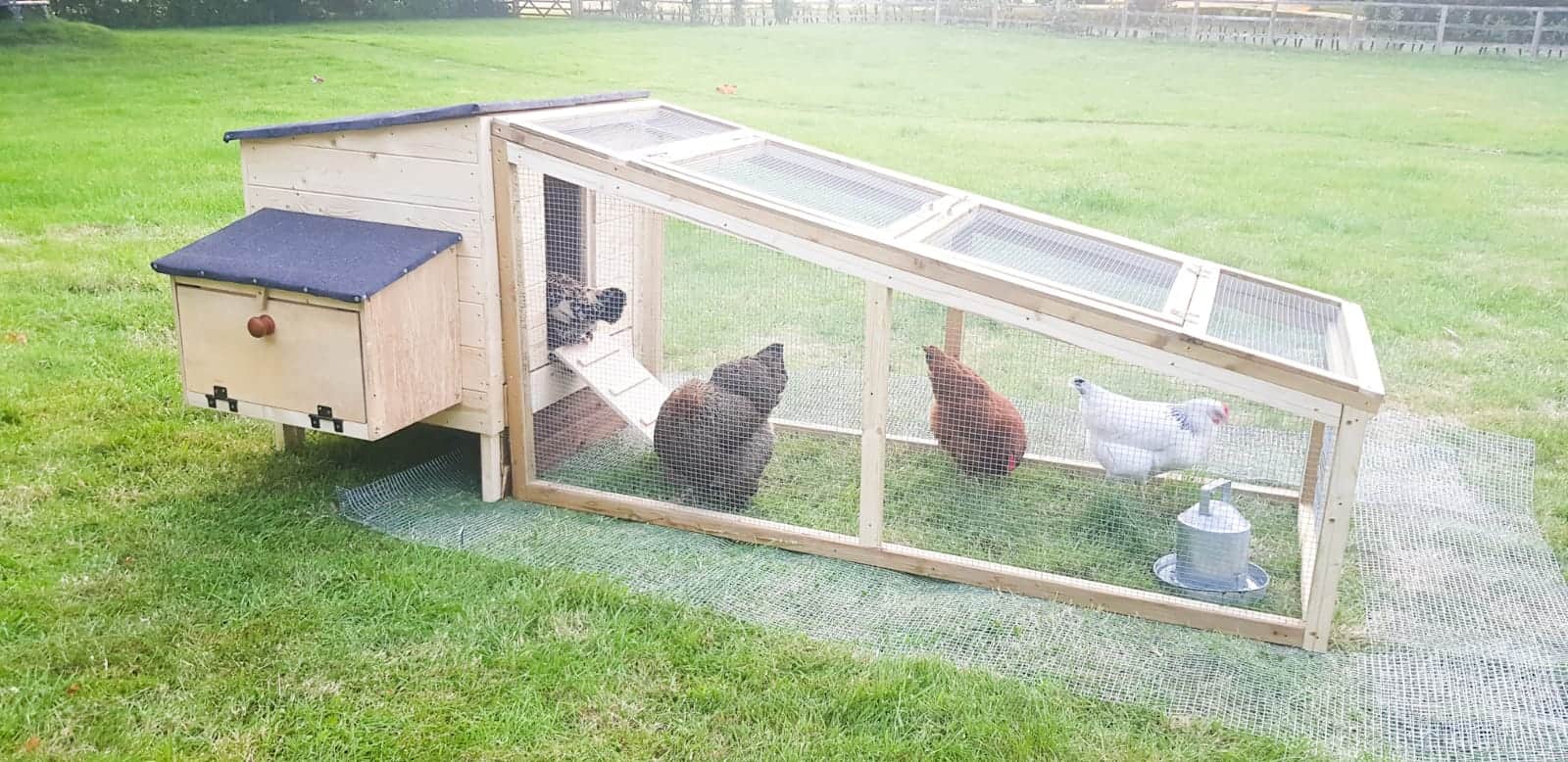
An outdoor run gives chickens space to forage, scratch the ground, and stay active. Exercise reduces stress and improves overall health. When designing a diy chicken coop, adding a run is a valuable extension that enhances your flock’s lifestyle. The run should be enclosed with mesh to keep predators out and give your chickens freedom without risk.
The size of the run depends on your available space, but the more room, the better. Provide shade during hot months and ensure there are no gaps or weak areas where animals can enter. Some owners also add small enrichment features like logs or perches to keep chickens entertained.
Maintenance Tips to Keep Your Coop Clean and Healthy
A diy chicken coop must be easy to maintain. A clean environment prevents disease and keeps egg production consistent. Regular tasks include removing droppings, refreshing bedding, washing feeders and waterers, and checking ventilation. Building a coop with a wide door or removable panels makes cleaning faster and easier.
Moisture is the enemy of any chicken coop. Wet bedding leads to odors, mold, and bacteria. Keeping the coop dry with proper airflow and roof protection ensures a healthier flock. Routine inspections help you catch damage early, whether it’s a loose board or a small hole that predators could exploit. Consistent maintenance extends the lifespan of your diy chicken coop.
Seasonal Care and Climate Considerations
Your climate plays a significant role in the long-term success of a diy chicken coop. In hot climates, shade, ventilation, and reflective roofing keep birds cool. In colder regions, insulation and wind protection are crucial. Chickens tolerate cold better than heat, but drafts can be harmful. Adjusting bedding thickness and blocking cold wind while maintaining ventilation helps keep the interior comfortable.
Seasonal care also includes managing mud, rain, or snow around the coop. Good drainage prevents moisture problems and reduces pest attraction. Designing your diy chicken coop with weather changes in mind ensures year-round comfort and reliability.
Conclusion
Building a diy chicken coop is a rewarding project that gives you full control over your flock’s comfort, safety, and environment. With thoughtful planning, strong materials, good ventilation, and proper predator protection, your coop will support healthy chickens and steady egg production throughout the year. A well-designed coop doesn’t need to be expensive. What matters most is understanding the needs of your birds and creating a space that meets them. With the right approach, your diy chicken coop becomes not just a structure but a foundation for a thriving backyard flock.
FAQs
1. How much space do chickens need in a diy chicken coop?
Most chickens need about three to four square feet each inside the coop, and more if there is no outdoor run.
2. What materials are best for building a diy chicken coop?
Wood, plywood, hardware cloth, and durable roofing materials work well and provide good protection.
3. How many nesting boxes should I add to my diy chicken coop?
Generally, one nesting box for every three hens is enough for regular egg laying.
4. How do I protect my diy chicken coop from predators?
Use strong mesh, secure locks, raised flooring, and buried fencing around the perimeter.
5. Do I need ventilation in my diy chicken coop?
Yes, ventilation is essential for reducing moisture, controlling odors, and maintaining a healthy environment.