Language is the foundation of communication, and developing strong language skills in children is essential for both academic success and social interactions. One effective method that has gained popularity among educators and speech therapists is colourful semantics. This approach combines visual learning with semantic understanding, helping children construct meaningful sentences and improve their overall language abilities.
What is Colourful Semantics
Colourful semantics is a language intervention technique designed to support children with speech, language, and communication difficulties. The method focuses on breaking down sentences into their core components and representing each part with a distinct color. This visual system helps children understand the structure of language, making it easier to form grammatically correct and meaningful sentences.
The technique is based on the principle that visual cues can enhance learning. By associating colors with different parts of a sentence, children can better grasp who is doing what, where, and when. The approach is particularly beneficial for children with developmental language disorders, autism spectrum disorder, or difficulties with sentence formation.
How Colourful Semantics Works
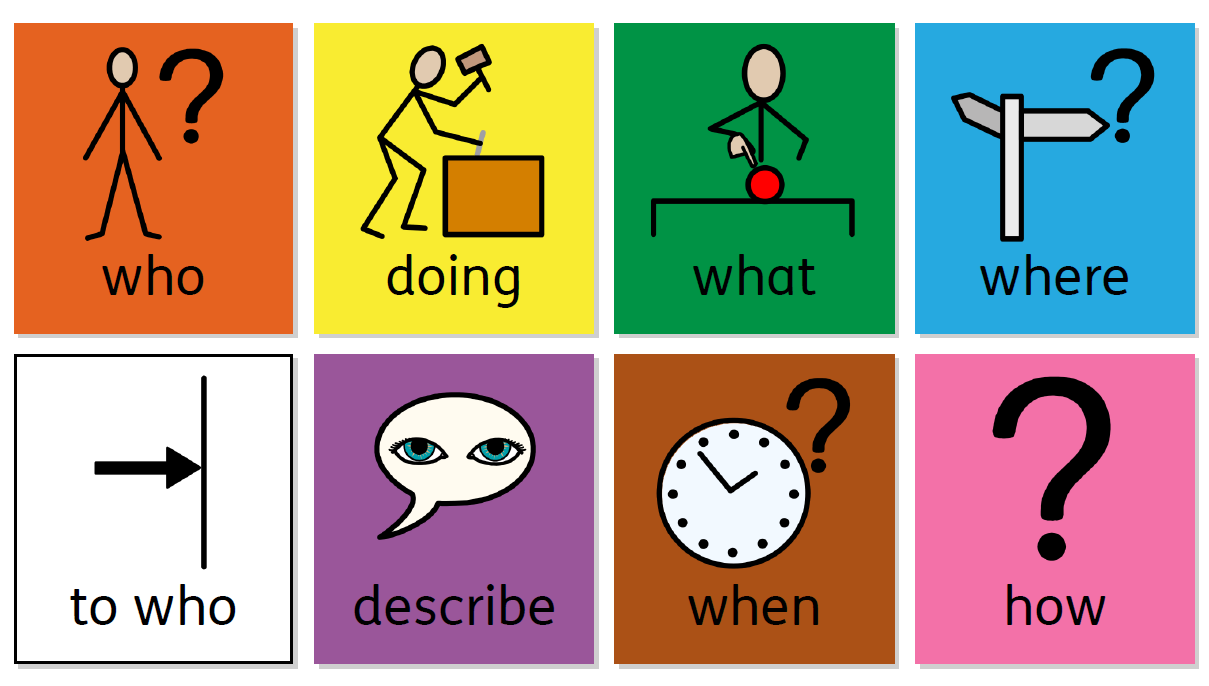
Colourful semantics uses color coding to represent different roles in a sentence. Typically, each sentence is divided into thematic roles, such as the subject, verb, object, location, and additional details. For example:
- The subject or “who” might be represented by one color.
- The action or verb could be another color.
- The object, or “what,” is assigned a different color.
- Additional details like location, time, or description are also color-coded.
This system allows children to visualize the relationship between words in a sentence, helping them construct complete sentences that are both grammatically correct and meaningful. By starting with simple sentences and gradually introducing more complex structures, children can develop advanced language skills over time.
Benefits of Colourful Semantics
Colourful semantics offers numerous advantages for both children and educators. Some of the key benefits include:
- Improved Sentence Structure: Children learn to construct sentences with the correct order of words, improving both spoken and written communication.
- Enhanced Vocabulary: By focusing on the semantic roles of words, children expand their vocabulary and understand the meaning of words in context.
- Support for WH-Questions: The approach makes it easier for children to answer questions like who, what, where, when, and why, which are critical for comprehension.
- Boosted Confidence: The visual system reduces frustration and builds confidence as children successfully create sentences.
- Adaptability: Colourful semantics can be used in one-on-one therapy, small groups, or classroom settings, making it a versatile tool for different learning environments.
Who Can Benefit from Colourful Semantics
While colourful semantics is effective for many children, it is particularly beneficial for those with:
- Developmental language disorders or specific language impairments.
- Autism spectrum disorder, where sentence formation and comprehension may be challenging.
- Intellectual disabilities or learning difficulties that affect language development.
- Children learning English as an additional language, as it provides a visual scaffold for sentence construction.
Teachers, speech and language therapists, and parents can implement colourful semantics strategies to support children in both formal and informal learning environments.
Implementing Colourful Semantics in Daily Learning
Implementing colourful semantics is straightforward but requires consistency and practice. Educators and therapists typically use visual aids such as colored cards, charts, or worksheets to represent the different components of a sentence. Children are guided to place words in the correct color-coded category and then combine them to form a sentence.
Over time, children internalize the sentence structure and become capable of forming sentences without relying heavily on visual cues. Repetition and positive reinforcement are essential to ensure that the learned skills are retained and applied in everyday communication.
Colourful Semantics and Literacy Development
Beyond speaking, colourful semantics also supports literacy development. By understanding sentence structure and semantic relationships, children can improve their reading comprehension and writing skills. The approach encourages children to construct written sentences that are logical, complete, and meaningful, enhancing both academic performance and communication abilities.
Integrating colourful semantics into reading and writing activities provides a practical way to reinforce learning. For instance, after reading a story, children can use color-coded sentence strips to describe events, characters, or settings, improving both comprehension and expressive language skills.
Challenges and Considerations
Although colourful semantics is highly effective, there are a few considerations to keep in mind:
- Consistency: The color system must be used consistently across lessons to prevent confusion.
- Individual Needs: Some children may require additional support or adapted materials depending on their learning needs.
- Long-Term Practice: Developing fluency with sentence construction takes time, and regular practice is essential for lasting improvement.
Despite these challenges, the benefits of colourful semantics often outweigh the difficulties, making it a valuable tool in language intervention and education.
Evidence and Research Supporting Colourful Semantics
Research indicates that colourful semantics can lead to significant improvements in sentence structure, vocabulary, and narrative skills. Clinical studies and classroom-based interventions have shown that children using this approach demonstrate better comprehension and more complex sentence formation compared to those receiving standard language instruction.
Studies also highlight the effectiveness of colourful semantics in both individual therapy and whole-class settings, making it a flexible tool for educators and therapists. Its success in diverse learning environments underscores its value as a practical and evidence-based approach to language development.
Tips for Parents and Educators
To maximize the effectiveness of colourful semantics, consider the following tips:
- Use Visual Aids: Incorporate color-coded cards, charts, or digital tools to represent sentence components.
- Practice Regularly: Short, frequent sessions are often more effective than occasional long sessions.
- Encourage Creativity: Allow children to create their own sentences, stories, or descriptions using the color-coded system.
- Reinforce Learning: Praise efforts and celebrate successes to motivate children.
- Collaborate with Professionals: Speech therapists or language specialists can provide guidance and adapt the approach to individual needs.
Conclusion
Colourful semantics is a powerful, evidence-based approach that helps children develop strong language skills through visual and semantic learning. By breaking down sentences into color-coded components, children can understand grammar, expand their vocabulary, and improve both spoken and written communication. With consistent practice and supportive guidance, colourful semantics can make a lasting impact on a child’s language development, boosting confidence and enhancing learning outcomes.
Frequently Asked Questions
1. What age group is suitable for colourful semantics?
Colourful semantics can be used for children as young as three, but it is also effective for older children with language difficulties.
2. Can colourful semantics be used in classrooms?
Yes, it can be implemented in whole-class settings, small groups, or one-on-one sessions.
3. How long does it take to see results?
Children often show improvements in a few weeks with consistent practice, though mastery may take several months.
4. Is colourful semantics only for children with disabilities?
No, it benefits any child who needs support with language development or sentence structure.
5. Can parents use colourful semantics at home?
Absolutely, parents can use visual aids and guided practice to reinforce skills learned at school or in therapy.