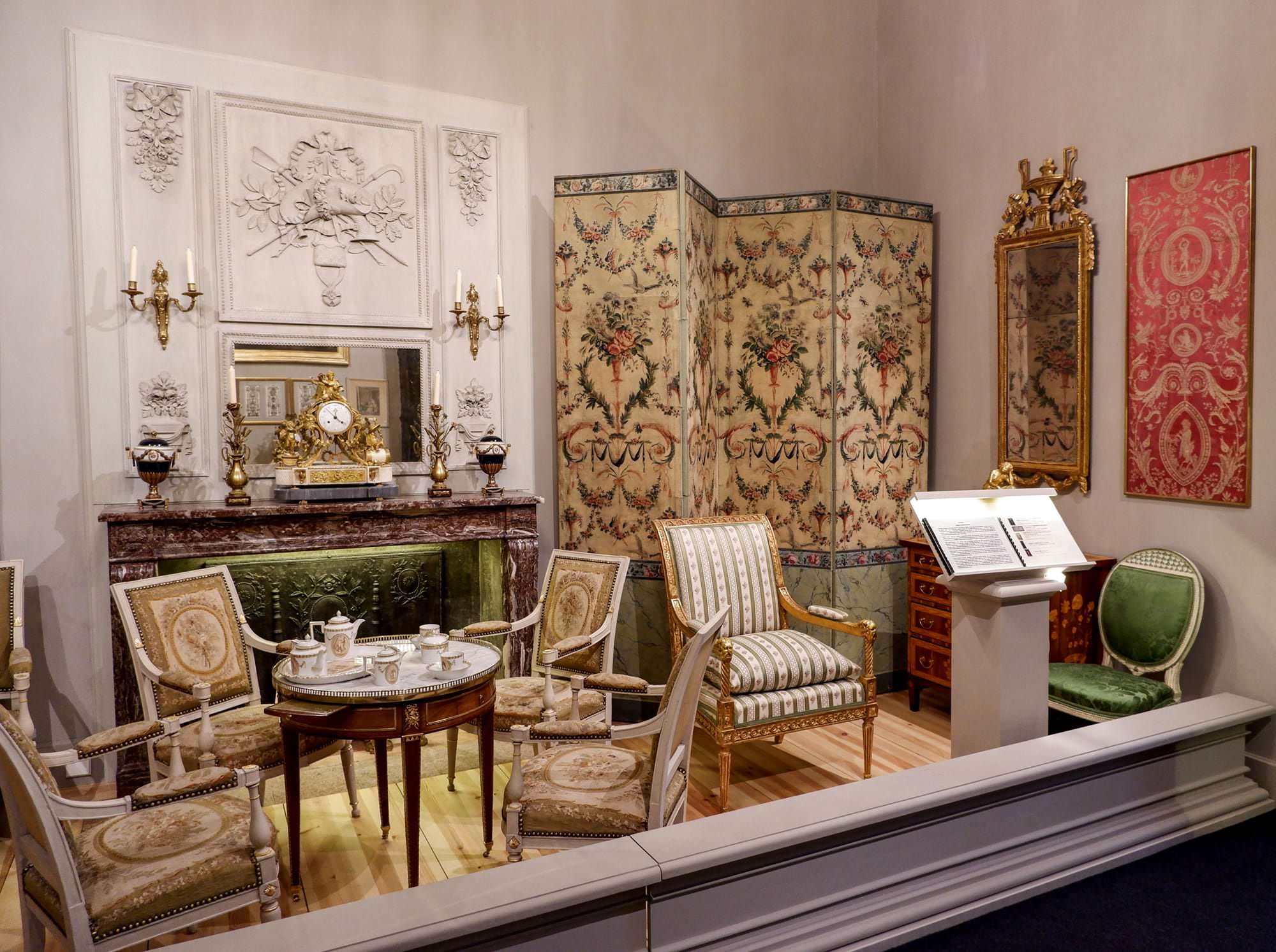
Few royal figures in history have influenced interior design as profoundly as Empress Catherine II of Russia. Known for her political power and intellectual ambition, she also reshaped the artistic and decorative identity of the Russian Empire. Catherine the Great Furniture represents far more than royal décor — it reflects diplomacy, cultural ambition, and a desire to position Russia among Europe’s most refined courts. From gilded thrones to intricately inlaid writing desks, her collections transformed palaces into statements of imperial authority and artistic excellence.
The Historical Legacy Behind the Furniture
When Catherine ascended the throne in 1762, Russia was already absorbing European cultural influences. However, she accelerated this transformation dramatically. She commissioned master craftsmen, imported rare materials, and funded imperial workshops to produce luxury furnishings on par with France and Italy.
Catherine the Great Furniture became a political tool as much as an aesthetic one. Visiting diplomats and nobles were received in rooms filled with opulent seating, carved consoles, and mechanical desks. Every piece communicated sophistication, stability, and imperial dominance. Her furniture collections helped project Russia as an enlightened and culturally advanced empire.
Dominant Design Styles
Rococo Influence in Early Interiors
During the early years of her reign, Rococo style dominated palace rooms. This design language, popular in France, emphasized elegance and decorative charm.
Characteristics included:
- Curved cabriole legs
- Floral carvings
- Shell motifs
- Soft pastel upholstery
- Gilded wooden frames
Rococo pieces were commonly placed in salons and private chambers, creating intimate yet luxurious environments. Many early examples of Catherine the Great Furniture reflected this lighter, more playful European influence.
The Rise of Neoclassical Design
By the 1770s, Catherine’s tastes evolved toward Neoclassicism, aligning with Enlightenment ideals. Inspired by ancient Greece and Rome, this style conveyed order, intellect, and authority.
Key features included:
- Straight fluted legs
- Symmetrical structures
- Laurel wreath carvings
- Urn and column motifs
- Geometric marquetry
Neoclassical Catherine the Great Furniture often appeared in state halls and formal reception rooms, reinforcing imperial discipline and cultural refinement.
Materials That Defined Imperial Luxury
Luxury materials were essential in expressing royal power. Craftsmen sourced rare woods and embellishments from across Europe and beyond.
Common woods included:
- Mahogany
- Satinwood
- Rosewood
- Walnut
- Karelian birch
Decorative enhancements featured:
- Gold leaf gilding
- Gilded bronze mounts
- Marble tabletops
- Mother-of-pearl inlay
- Ivory detailing
Upholstery fabrics such as silk, velvet, and damask added texture and visual richness. The material composition of Catherine the Great Furniture elevated each object into functional art.
Craftsmanship and Imperial Workshops
Catherine did not rely solely on imports. She established imperial workshops within Russia, inviting European cabinetmakers to train local artisans. This initiative fostered a uniquely Russian interpretation of European luxury design.
Furniture makers mastered:
- Veneer marquetry
- Mechanical desk engineering
- Hidden compartments
- Precision carving
Some writing desks featured secret drawers for diplomatic correspondence. These innovations made Catherine the Great Furniture both technologically advanced and artistically refined.
Iconic Furniture Pieces
Ceremonial Thrones
Imperial thrones symbolized ultimate authority. Crafted from carved wood and heavily gilded, they often displayed the double-headed eagle — the emblem of Russian sovereignty.
Writing Desks
As a patron of Enlightenment thinkers, Catherine relied heavily on correspondence. Her desks featured satinwood veneers, geometric inlays, and concealed storage spaces.
Commodes and Cabinets
Ormolu-mounted commodes showcased exotic wood patterns and gilded bronze ornamentation. Many served both decorative and storage purposes within palace chambers.
Each category contributed to the prestige surrounding Catherine the Great Furniture, blending utility with symbolism.
Palaces That Housed the Collection
Several imperial residences displayed her furnishings:
Winter Palace – The political heart of the empire, filled with ceremonial furniture.
Catherine Palace – A showcase of Rococo and Neoclassical interiors.
Hermitage Museum – Founded from her private collections, now housing preserved masterpieces.
Pavlovsk Palace – Known for refined Neoclassical furnishings.
Within these spaces, Catherine the Great Furniture functioned as part of immersive interior storytelling.
Decorative Motifs and Symbolism
Furniture under Catherine’s patronage was rich in symbolism. Motifs were carefully selected to reinforce imperial ideology.
Common decorative elements included:
- Laurel wreaths (victory and intellect)
- Acanthus leaves (classical beauty)
- Mythological figures (divine association)
- Lions’ paw feet (strength and rule)
- Imperial eagles (sovereignty)
These details transformed Catherine the Great Furniture into visual propaganda of enlightened monarchy.
European Influence and Global Taste
Catherine maintained correspondence with European monarchs and philosophers, and her taste reflected international exposure.
Influences included:
- French Rococo salons
- Italian Neoclassical ornament
- English cabinetmaking techniques
- German mechanical furniture engineering
Some pieces were diplomatic gifts, while others were commissioned directly from renowned European workshops. This cross-cultural blend elevated Catherine the Great Furniture to global artistic significance.
The Myth of Erotic Furniture
One of the most searched subtopics surrounding Catherine’s interiors involves alleged erotic furniture. Stories claim the existence of explicit chairs and private chambers.
However, historians widely dismiss these claims as unverified myths or political propaganda spread by rivals. No authenticated museum collections support the existence of such pieces. Serious scholarship instead focuses on documented artistic and cultural achievements tied to Catherine the Great Furniture.
Cultural and Political Significance
Beyond aesthetics, the furniture symbolized Catherine’s broader ambitions:
- Westernization of Russia
- Alignment with Enlightenment philosophy
- Assertion of imperial wealth
- Patronage of fine arts
Every carved armrest and gilded panel reinforced her image as a modern, intellectual ruler. Catherine the Great Furniture thus functioned as both décor and diplomatic messaging.
Collectible and Museum Value Today
Original imperial pieces are now priceless cultural artifacts. Preserved examples reside in Russian museums and select European collections.
Collectors and historians value them for:
- Master craftsmanship
- Rare materials
- Historical provenance
- Political symbolism
Auction houses occasionally handle attributed pieces, though authenticated items remain exceptionally rare. The legacy of Catherine the Great Furniture continues to shape antique scholarship and museum exhibitions.
Conclusion
Catherine II’s reign left an indelible mark not only on Russian politics but also on global decorative arts. Her vision transformed palace interiors into masterpieces of design, symbolism, and craftsmanship. From Rococo elegance to Neoclassical grandeur, her commissions reflected intellectual ambition and imperial power.
Today, Catherine the Great Furniture stands as a testament to how art, politics, and identity can merge through material culture. Each preserved piece tells a story of empire, diplomacy, and the pursuit of cultural greatness.
FAQs
1. What style defined Catherine the Great’s furniture most?
Neoclassical design dominated her later reign, emphasizing symmetry, classical motifs, and imperial order.
2. Where can original pieces be seen today?
Many are preserved in the Hermitage Museum, Winter Palace, and Catherine Palace.
3. What materials were commonly used?
Mahogany, satinwood, gilded bronze, marble, silk, and velvet were widely used.
4. Did she really own erotic furniture?
Historians consider those claims myths without verified evidence.
5. Why is her furniture historically important?
It symbolized Russia’s Westernization, Enlightenment ideals, and imperial authority.