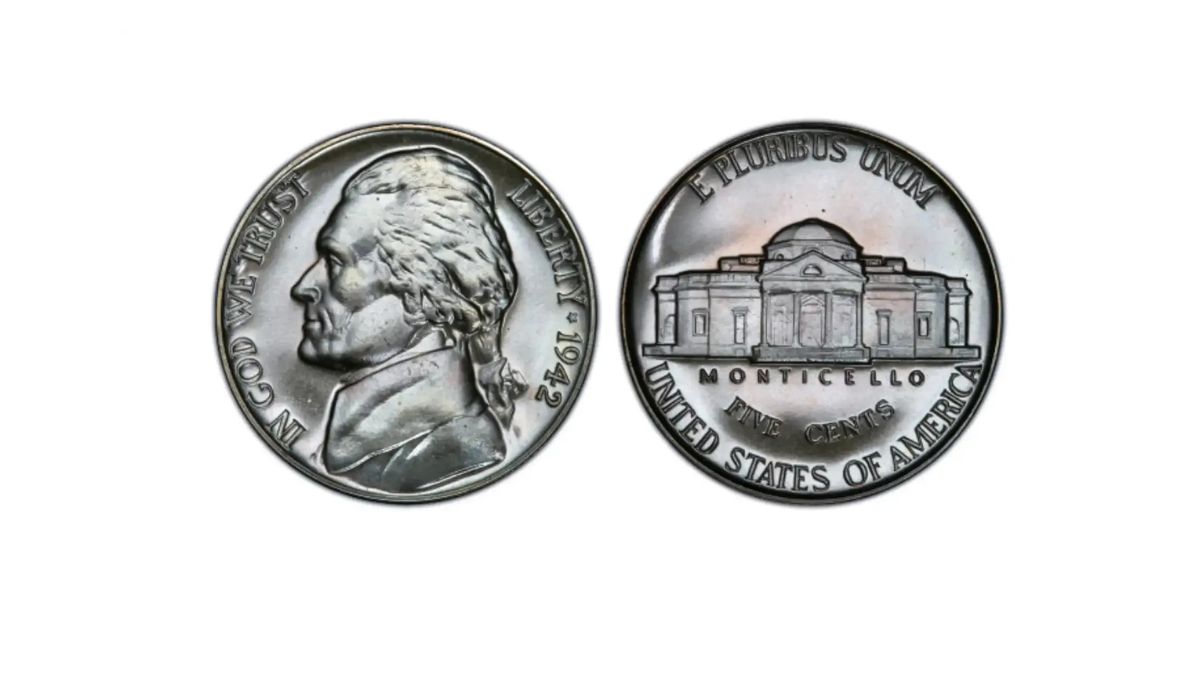
The United States five-cent coin, commonly known as the nickel, is a small yet historically rich part of American currency. Over the years, the design and the face of this coin have changed several times, sparking curiosity among collectors, history enthusiasts, and everyday users. If you have ever wondered about the history and the person featured on this coin, this article will answer the question: who is on the nickel?
The Origin of the Nickel
The nickel was first introduced in the United States in 1866. At that time, the coin was called the Shield nickel due to its prominent shield design on the front. Unlike today’s nickel, which features a historical figure, the original Shield nickel did not have a person depicted. Instead, it carried symbols of the nation’s unity after the Civil War. The nickel’s introduction was significant because it replaced the silver half-dime, a coin with a similar value but made of silver, with a more durable and cost-effective copper-nickel alloy.
The question of who is on the nickel was irrelevant during this period because no human figure appeared on the coin. Instead, the focus was on patriotic imagery that represented the United States’ resilience and growth.
The Liberty Head Nickel Era
In 1883, the Shield nickel was replaced by the Liberty Head nickel, also known as the “V nickel” due to the large Roman numeral V on its reverse, signifying five cents. This coin introduced the first symbolic human figure on the nickel: Liberty.
Liberty was portrayed as an allegorical figure rather than a real person. While it added a human element to the coin, it was not based on any specific individual. Collectors often praise this design for its elegance, but it still did not answer the modern curiosity of who is on the nickel.
The Buffalo Nickel: A Tribute to Native America
From 1913 to 1938, the United States minted the Buffalo nickel, also called the Indian-head nickel. This version is one of the most iconic and recognizable designs in American coin history. The obverse featured a Native American figure, a composite of three real-life Native American chiefs. The reverse showcased a majestic American bison, symbolizing the nation’s western frontier.
Although this nickel depicted a human face, it was not a single historical figure like those on modern coins. Instead, it celebrated Native American heritage and American wildlife. Even today, collectors highly value Buffalo nickels for their cultural significance and artistry.
Who Is on the Nickel Today?
The question of who is on the nickel has a straightforward answer in the modern era. Since 1938, Thomas Jefferson, the third President of the United States, has been featured on the obverse of the nickel. Jefferson is a pivotal figure in American history, known for authoring the Declaration of Independence and serving as President from 1801 to 1809.
The reverse of the modern nickel displays Monticello, Jefferson’s historic Virginia home, emphasizing both his architectural interests and his lasting legacy. The design was created by Felix Schlag, whose work won a competition held by the United States Mint.
Design Changes Over Time
While Thomas Jefferson has been the consistent face of the nickel since 1938, the design has seen modifications. In 2004 and 2005, the U.S. Mint introduced the Westward Journey series to commemorate the bicentennials of the Louisiana Purchase and the Lewis and Clark Expedition. During this period, the reverse of the nickel featured special designs, including the American bison and ocean scenes.
Despite these temporary changes, Jefferson’s portrait remained on the obverse. In 2006, the Mint restored the classic Monticello design on the reverse while updating Jefferson’s portrait based on an 1800 Rembrandt Peale painting, giving the coin a modern yet historically respectful appearance.
Why Jefferson Was Chosen
The decision to feature Thomas Jefferson on the nickel was symbolic. Unlike earlier designs featuring allegorical or composite figures, Jefferson represented a real historical person whose contributions shaped the United States. His image reinforced the value of leadership, innovation, and American democracy.
The choice also reflected a broader trend in U.S. coinage to honor past presidents, a practice still prevalent on coins today. By asking the question who is on the nickel, one is exploring not only coinage history but also the cultural values embedded in American currency.
Fun Facts About the Nickel
- The nickel weighs approximately 5 grams and has a diameter of 21.21 millimeters.
- Its composition is 75% copper and 25% nickel, making it more durable than silver coins of the same era.
- Jefferson’s portrait on the nickel was updated in 2006 to show a forward-facing image, unlike the earlier left-facing design.
- The Buffalo nickel is one of the most valuable coins in history, with rare editions fetching thousands of dollars.
- The Westward Journey series in 2005 briefly altered the nickel’s design to celebrate American exploration.
Collecting Nickels: A Hobby That Tells History
Nickel collecting is a popular pastime for many enthusiasts. Collectors often seek rare editions, including the 1913 Buffalo nickel, early Shield nickels, or error coins. By studying the coin’s history, one can learn about the nation’s cultural shifts, political priorities, and artistic trends.
Asking the question who is on the nickel can lead to fascinating insights into how Americans have chosen to depict values, leaders, and symbols on currency over time. It is a reminder that even small coins carry rich stories of heritage and identity.
Conclusion
The question who is on the nickel has a clear answer today: Thomas Jefferson. However, exploring the nickel’s history reveals a dynamic evolution from symbolic allegories to a tribute to Native American culture, and finally to honoring one of America’s most influential presidents. The nickel is more than just a coin; it is a small piece of American history, carrying stories that span centuries and cultural milestones. Whether you are a collector, a history enthusiast, or simply a curious observer, understanding who is on the nickel offers a window into the nation’s past and the figures who helped shape it.
Frequently Asked Questions (FAQs)
- Who is on the nickel?
Thomas Jefferson, the third U.S. President, appears on the modern nickel. - When was Jefferson first featured on the nickel?
Jefferson was first depicted on the nickel in 1938. - What is on the reverse of the nickel?
The reverse shows Monticello, Jefferson’s historic home in Virginia. - Did the nickel ever feature anyone else?
Earlier nickels featured Liberty or a Native American figure on the Buffalo nickel. - Why is the nickel made of copper and nickel?
The alloy is durable and cost-effective compared to silver coins previously used.