In today’s fast-paced world, planning for the future requires more than just forecasting trends. Organizations, businesses, and even individuals are increasingly turning to the concept of the back casting room to create structured, actionable plans. A back casting room is not just a physical space; it is a strategic environment where long-term goals are defined, and steps to achieve them are mapped out by working backward from the desired future. This article provides an in-depth look at what a back casting room is, how it works, its benefits, and practical applications across various fields.
What is a Back Casting Room?
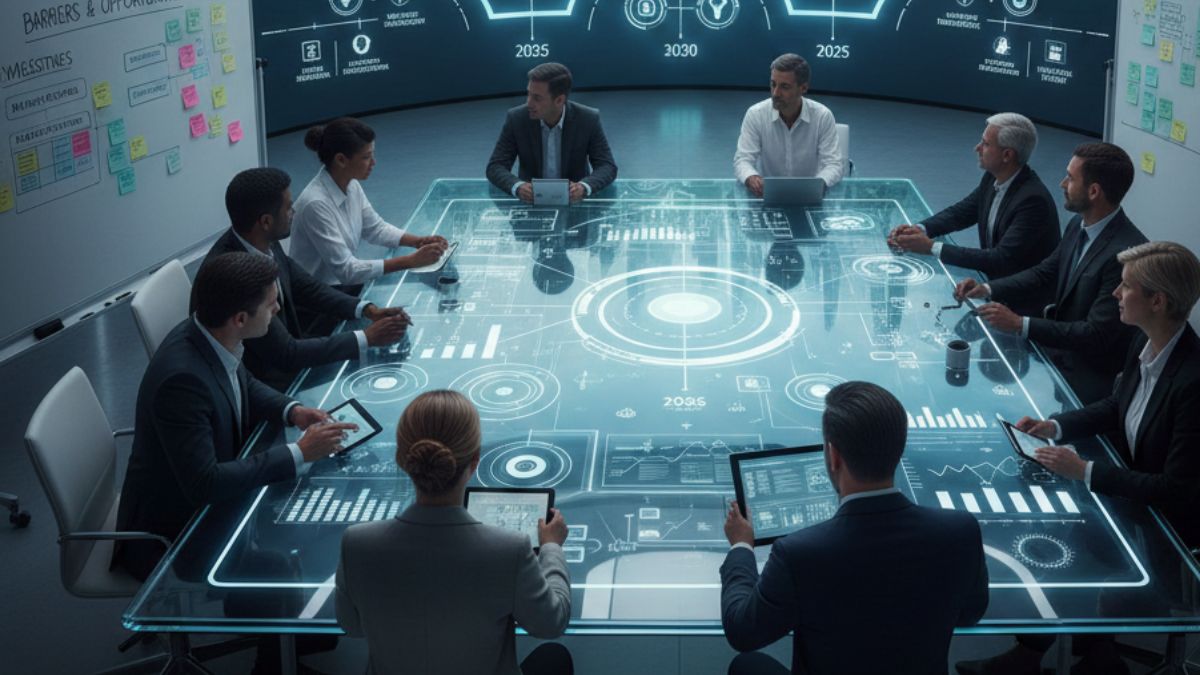
A back casting room is essentially a space—either physical or virtual—where teams or stakeholders gather to envision a desired future and design strategies to achieve it. Unlike traditional forecasting methods, which project current trends into the future, backcasting focuses on a specific goal or outcome and works backward to identify the steps needed to reach it.
In a back casting room, participants use collaborative tools such as vision boards, timelines, scenario maps, and strategic charts. This environment encourages creative thinking, problem-solving, and alignment among team members. It is a structured space where ideas are transformed into concrete plans, and where challenges are anticipated and addressed proactively.
How the Back Casting Process Works
The back casting process involves several key steps that make a back casting room effective:
- Defining the Desired Future: The first step is to establish a clear, achievable vision. This could be a sustainability target, a product innovation goal, or a policy objective. The clarity of this vision is crucial, as it guides all subsequent planning.
- Identifying Barriers and Opportunities: Once the future state is defined, participants identify potential challenges and resources that could affect progress. This step ensures that the plan is realistic and actionable.
- Mapping Milestones: Working backward from the desired future, teams outline critical milestones. These are intermediate goals that help measure progress and ensure that the final objective remains achievable.
- Developing Actionable Steps: After milestones are set, specific actions, responsibilities, and timelines are assigned. Each step is designed to move the team closer to the desired outcome.
- Implementation and Monitoring: A back casting room is not complete without ongoing evaluation. Teams continuously monitor progress, adjust strategies as needed, and ensure that the plan remains aligned with the long-term vision.
Benefits of a Back Casting Room
Using a back casting room offers several significant advantages for organizations and individuals seeking long-term success:
- Promotes Strategic Thinking: By focusing on a desired future, teams can think beyond immediate challenges and short-term trends. This encourages creativity and innovation.
- Encourages Collaboration: A back casting room brings together diverse stakeholders, ensuring that multiple perspectives are considered. This collaborative approach leads to more robust and effective plans.
- Enhances Goal Clarity: By working backward from a clear vision, participants understand precisely what needs to be achieved and the sequence of actions required.
- Supports Risk Management: Anticipating barriers and potential obstacles allows teams to create contingency plans, reducing the likelihood of unexpected setbacks.
- Drives Accountability: Clearly defined milestones and actionable steps ensure that responsibilities are assigned and progress can be tracked effectively.
Applications of a Back Casting Room
The concept of a back casting room is versatile and can be applied across various domains:
- Corporate Strategy: Businesses use back casting rooms to plan major transformations, develop new products, or implement sustainable practices.
- Urban Planning and Sustainability: City planners and environmental organizations use back casting to design sustainable urban environments and long-term environmental policies.
- Education and Training: Educational institutions employ back casting rooms to prepare students and staff for future industry demands and emerging trends.
- Public Policy: Governments and policymakers use this approach to establish long-term social and economic goals, ensuring that strategies align with desired societal outcomes.
- Innovation and Product Development: Back casting rooms are ideal for designing breakthrough products and services by starting with the end-user experience and mapping backward to the present.
Setting Up an Effective Back Casting Room
Creating a successful back casting room requires attention to both physical and process elements:
- Collaborative Space: A flexible area with breakout sections for group discussions encourages interaction and idea-sharing.
- Visual Tools: Whiteboards, sticky notes, and digital displays help visualize timelines, scenarios, and key milestones.
- Data and Analytics: Strategic models and analytical tools provide insights into feasibility and potential impact of actions.
- Facilitation: Skilled facilitators guide discussions, ensure focus, and help participants resolve conflicts or challenges effectively.
- Monitoring Mechanisms: Regular review of progress against milestones ensures that the strategy remains on track and adaptable to changes.
Challenges and Limitations
While back casting rooms are powerful, they are not without challenges:
- Dependence on Vision Clarity: A vague or unrealistic vision can undermine the entire planning process.
- Resource Intensive: Setting up a back casting room and maintaining progress requires significant time, effort, and commitment from all stakeholders.
- Complexity of Collaboration: Managing multiple perspectives and aligning diverse teams can be challenging and may require skilled facilitation.
- Uncertainty: External factors such as market changes or technological disruption can impact plans, requiring flexibility and adaptation.
Despite these challenges, the structured, forward-thinking nature of a back casting room often outweighs the risks, particularly for long-term strategic goals.
Real-World Examples
Several organizations and sectors have successfully implemented back casting rooms:
- A global technology company used a back casting room to develop a roadmap for achieving net-zero emissions by 2035. By working backward from this target, the company identified key innovations and operational changes needed over the next decade.
- An urban planning department employed a back casting room to redesign public transportation systems for a sustainable city. Stakeholders collaborated to create actionable steps that balanced environmental impact with community needs.
- A university established a virtual back casting room to prepare students for emerging careers in artificial intelligence and sustainability, enabling curriculum adjustments and skill-building programs based on future workforce needs.
Conclusion
The back casting room is more than just a planning tool; it is a strategic environment that enables organizations and individuals to design the future they want to achieve. By starting with a clear vision and working backward, teams can create actionable steps, anticipate challenges, and ensure long-term success. Whether in corporate strategy, urban planning, public policy, or education, the back casting room provides a structured, collaborative, and innovative approach to goal achievement.
By adopting this methodology, organizations not only plan for the future effectively but also foster a culture of foresight, collaboration, and continuous improvement. The back casting room is a valuable asset for anyone serious about long-term strategic planning.
FAQs
1. What is a back casting room?
A back casting room is a space where teams plan the future by defining desired outcomes and mapping steps backward to achieve them.
2. How does back casting differ from forecasting?
Back casting starts with a goal and works backward, while forecasting projects current trends into the future.
3. Who can use a back casting room?
Organizations, businesses, educational institutions, and policymakers can use it to plan strategic goals and long-term projects.
4. What are the main benefits of a back casting room?
It encourages strategic thinking, collaboration, goal clarity, risk management, and accountability.
5. Are there challenges in using a back casting room?
Yes, challenges include resource intensity, managing multiple perspectives, dependency on clear vision, and adapting to uncertainties.