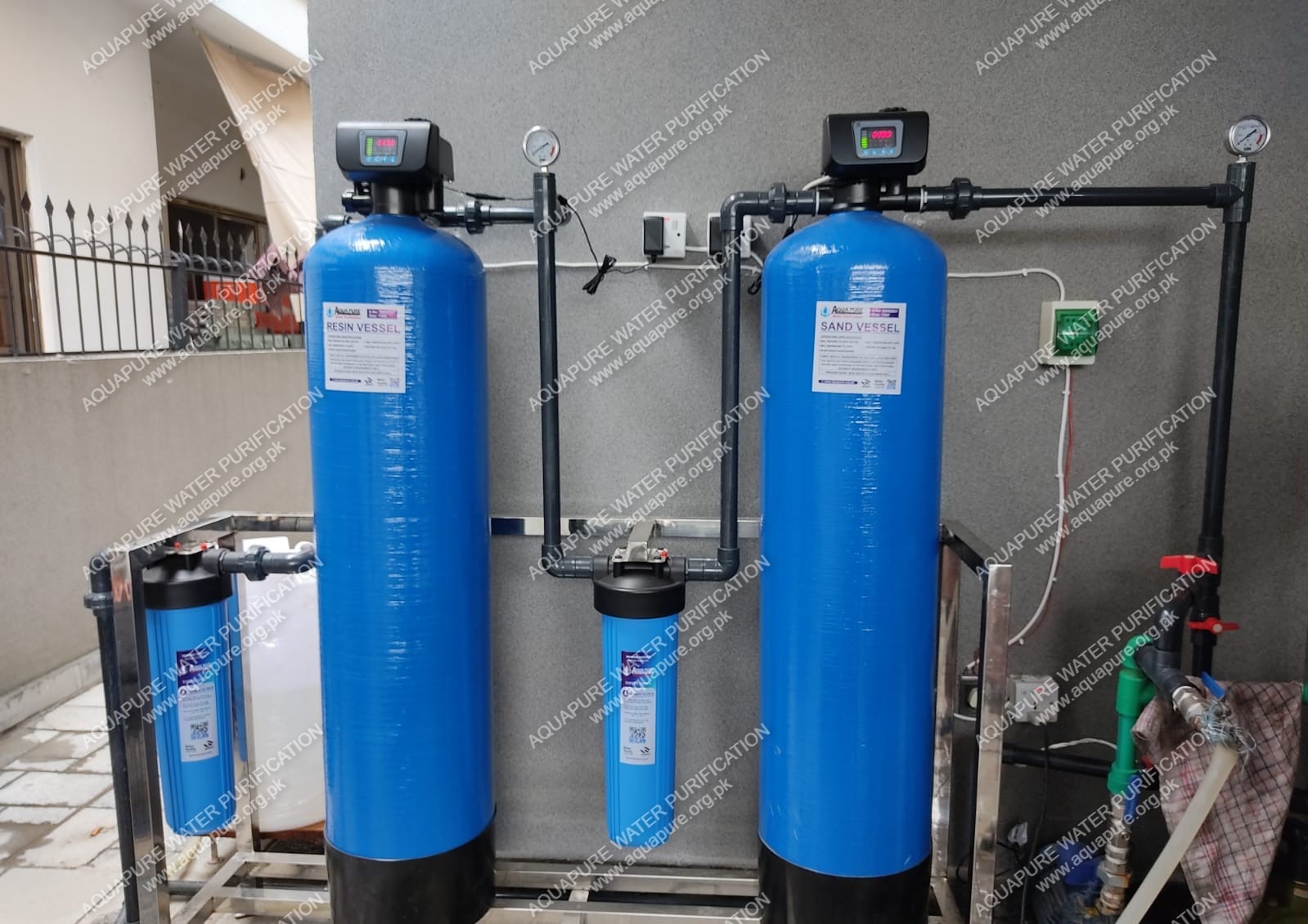
Having clean, soft water throughout your home is not just a luxury—it’s a necessity. Hard water, which contains high levels of calcium and magnesium, can cause a variety of problems including limescale buildup, reduced appliance efficiency, and even dry skin and hair. The solution lies in choosing the best whole house water softener that meets your household needs. This article will guide you through everything you need to know to make an informed choice.
Understanding Whole House Water Softeners
A whole house water softener is a system installed at the point where water enters your home, ensuring that every faucet, shower, and appliance receives softened water. Unlike under-sink filters or small water softeners for individual taps, a whole house system treats all water in your home. This comprehensive approach helps prevent scale buildup in pipes, extends the lifespan of appliances, and improves overall water quality.
Hard water doesn’t just affect appliances; it can impact your daily life. Soap doesn’t lather properly, laundry feels stiff, and skin can become dry. A high-quality water softener eliminates these issues, making life easier and more comfortable.
Benefits of Installing the Best Whole House Water Softener
Choosing the best whole house water softener brings numerous benefits:
- Protects Plumbing and Appliances
Hard water leads to scale buildup in pipes, water heaters, washing machines, and dishwashers. Softened water reduces this buildup, ensuring your appliances run efficiently and last longer. - Improves Water Quality
Soft water improves soap and detergent efficiency, leaving dishes, clothes, and surfaces cleaner without harsh chemicals. Your hair and skin also benefit from smoother water. - Saves Money Over Time
Reduced limescale buildup decreases maintenance costs for water heaters and plumbing. Additionally, you’ll use less soap, detergent, and cleaning products, saving money on household supplies. - Enhances Household Comfort
From smoother skin to easier cleaning, soft water improves your daily life in subtle but meaningful ways.
How to Choose the Right Water Softener
Selecting the best whole house water softener depends on several key factors:
- Water Hardness Levels
Test your water to determine the hardness level in grains per gallon (GPG). This will help you select a system with sufficient capacity. - Household Size and Water Usage
Larger households or homes with multiple bathrooms require a higher-capacity system. Average daily water usage helps determine the optimal grain capacity for the softener. - System Type: Salt-Based vs Salt-Free
Salt-based softeners remove minerals from the water, providing fully softened water. Salt-free or conditioning systems prevent scale buildup but may not fully remove hardness minerals. Choosing between these depends on your water hardness, environmental concerns, and maintenance preferences. - Flow Rate Requirements
Ensure the system can handle multiple simultaneous water uses without reducing water pressure. - Maintenance Needs
Salt-based systems require periodic salt refills and occasional resin cleaning. Salt-free systems usually require less maintenance but may have limitations in very hard water.
Salt-Based vs Salt-Free Systems
Understanding the difference between salt-based and salt-free systems is crucial:
- Salt-Based Water Softeners
These systems use ion exchange to remove calcium and magnesium from water. They provide fully softened water, are effective even for very hard water, and are ideal for households with high water usage. However, they require regular salt refills and generate wastewater during regeneration cycles. - Salt-Free Water Softeners
These systems use template-assisted crystallization or other conditioning methods to prevent mineral buildup. They are low-maintenance, environmentally friendly, and don’t add sodium to water. However, they may not provide the same soap-lathering or “silky” water effect as salt-based systems and are less effective in extremely hard water.
Choosing the best whole house water softener means balancing performance, maintenance, and environmental considerations according to your household needs.
Installation Considerations
Proper installation is key to getting the most out of your water softener. Some points to consider:
- Location
Install the system where the main water line enters your home, close to a drain for regeneration water discharge. Ensure it is easily accessible for maintenance. - Space Requirements
Whole house water softeners can be large, especially high-capacity models. Plan for adequate space in a utility room, basement, or garage. - Professional vs DIY Installation
While some systems offer DIY installation kits, professional installation ensures correct plumbing, proper bypass installation, and adherence to manufacturer warranty requirements.
Maintenance Tips for Longevity
Maintaining your water softener is essential to keep it working efficiently:
- Regular Salt Refills
Check and refill salt in the brine tank as needed. Avoid letting the salt level drop too low to prevent system inefficiency. - Resin Bed Cleaning
Periodically clean the resin bed to remove accumulated iron, manganese, and sediment. This prolongs the system’s life. - System Inspection
Inspect valves, tanks, and connections regularly to detect leaks or issues early. - Water Testing
Retest water hardness periodically to ensure the softener continues to function properly.
Common Problems and Solutions
Even with the best whole house water softener, occasional issues may arise:
- Salt Bridges
Hard crusts in the brine tank can prevent proper regeneration. Break the salt bridge with a broom handle or similar tool. - Low Water Pressure
This can occur if the softener is undersized or clogged. Clean filters and ensure the system’s flow rate matches household demand. - Resin Degradation
Over time, the resin beads can wear out. Replace the resin according to manufacturer recommendations.
Environmental Considerations
Water softeners can impact the environment, particularly salt-based systems that discharge brine:
- Consider demand-initiated regeneration systems, which only use salt and water when necessary, reducing waste.
- Salt-free systems are more environmentally friendly but may not be suitable for extremely hard water.
- Proper disposal of brine and consideration of local regulations ensures your water softener does not negatively affect the environment.
Conclusion
Investing in the best whole house water softener can transform your home’s water quality, protect appliances, and improve daily comfort. By considering factors such as water hardness, household size, system type, and maintenance requirements, you can choose a system that meets your needs efficiently. With proper installation and upkeep, a high-quality water softener provides long-term benefits, reduces costs, and ensures a healthier, more comfortable living environment.
FAQs
1. How do I know if I need a whole house water softener?
If your water leaves scale on faucets, makes soap hard to lather, or dries out skin and hair, a water softener can help.
2. What is the difference between salt-based and salt-free water softeners?
Salt-based systems remove hardness minerals, while salt-free systems prevent scale buildup without removing minerals.
3. How often should I refill the salt in my water softener?
Typically, salt should be checked monthly and refilled as needed to maintain proper system function.
4. Can I install a whole house water softener myself?
Some systems allow DIY installation, but professional installation ensures proper setup and protects your warranty.
5. Will a water softener save me money?
Yes, by reducing scale buildup, lowering soap usage, and extending appliance life, a water softener can save money over time.